
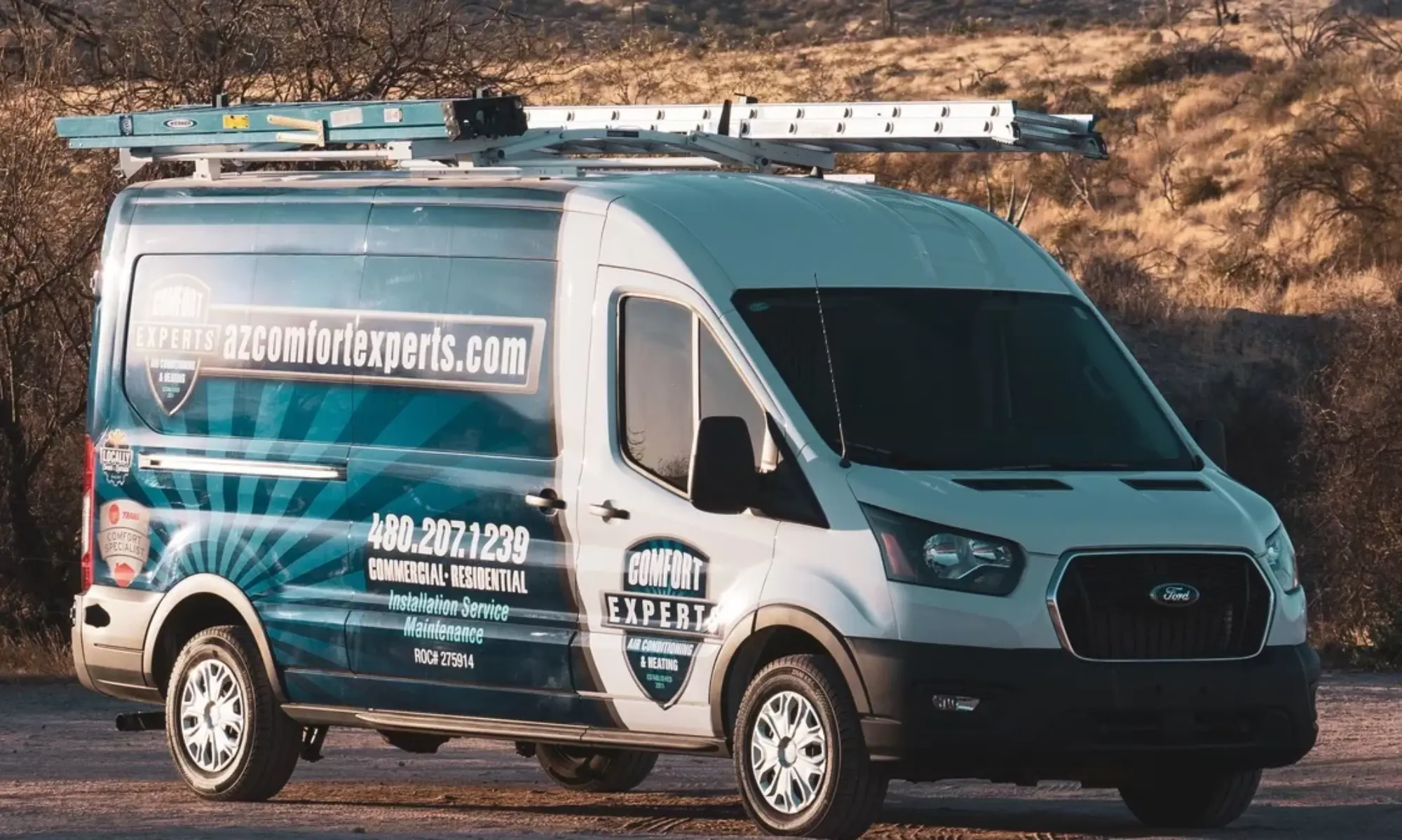
Cooling Services in Phoenix should begin with the condition of the equipment and the result you need. Comfort Experts serves Phoenix from its Mesa home base and explains the findings before you choose the next step.
This page focuses on choose replacement planning for an equipment decision, a specific part of the larger choosing the right cooling service decision. The goal is to help you capture useful details before testing and understand what the service visit should answer.
Start with the symptoms
Describe what the system does, when the behavior started, and whether the condition changes by time, operating mode, or room. Those details help separate a control issue from airflow, electrical, drainage, equipment, or installation conditions.
- You need one starting point for equipment, controls, ducts, and indoor comfort
- The system is running but comfort, airflow, or humidity has changed
- You need to decide whether the next step is repair, maintenance, or replacement
Choose replacement planning for an equipment decision
A replacement estimate fits an aging system, major repair comparison, remodel, or persistent system-fit problem. It should not replace diagnosis when the failure is still unknown.
These observations are useful before the appointment:
- Define the problem being solved
- Gather repair history
- Include ducts and controls
- Compare written scopes
Build a useful timeline for this condition
Use a simple sequence: define the problem being solved; then gather repair history; then include ducts and controls. If the condition changes, note what the equipment was doing immediately before and after the change. That sequence gives the technician more useful evidence than a guess about which part failed.
A final useful note is to compare written scopes. Taken together, these observations show whether the condition is steady, intermittent, tied to one operating stage, or affected by airflow and controls. They also help avoid replacing a part simply because it is commonly associated with the symptom.
What this means for the service plan
Replacement planning begins with the problem the new system must solve. Age alone is not a scope. Repair history, comfort, capacity, ducts, controls, electrical work, site access, and the current major failure shape the comparison.
Request exact model numbers and included supporting work. A proposal should separate required corrections from optional improvements and explain startup checks, labor coverage, manufacturer terms, and any condition that can change the final price.
Questions the testing should answer
- Which measured finding confirms the concern described as choose replacement planning for an equipment decision?
- Which normal readings rule out other likely causes?
- Does the condition require repair now, further monitoring, or a separate system-planning conversation?
- What can the homeowner safely observe if the condition returns?
The final recommendation should connect choose replacement planning for an equipment decision to measured equipment behavior. It should identify the confirmed work, explain which alternatives were ruled out, and separate required work from optional maintenance or equipment improvements.
Keep equipment panels closed and stop operating the system when there is severe mechanical noise, water near electrical parts, repeated breaker trips, a fuel odor, or a safety alarm. Those conditions need safe handling rather than repeated resets.
What the service visit should answer
A useful visit tests the conditions that can produce the symptom and explains which finding supports the recommendation. Depending on the equipment and complaint, the review can include:
- Thermostat and control operation before assuming an equipment failure
- Filter, airflow, coil, drain, electrical, and refrigeration conditions as indicated
- Whether a repair restores the intended result or broader system planning is needed
Pricing, scheduling, and written scope
Same-day service may be available based on the schedule, parts, and work required. Scheduled calls use a four-hour arrival window. After-hours calls are handled as quickly as possible, but an immediate callback or arrival is not guaranteed.
Ask for the confirmed finding, included work, exclusions, and coverage in writing. Residential repair diagnostics are $69.99 and the fee is waived when repair work is completed. Residential tune-ups are $69.99 per system. Equipment replacement estimates are free.
Use the right page for the next decision
Return to the Phoenix HVAC service hub for the city's available service routes. Read the main cooling services page for broader service details. When you are ready, request service online or call 480-207-1239.
Questions about this service
What can choose replacement planning for an equipment decision reveal about the system?
A replacement estimate fits an aging system, major repair comparison, remodel, or persistent system-fit problem. It should not replace diagnosis when the failure is still unknown. The observation narrows the next test, but it does not prove which component or correction is required.
What should a technician check for this cooling services concern?
The visit should connect the symptom to measured operation. Relevant checks for this route include thermostat and control operation before assuming an equipment failure; filter, airflow, coil, drain, electrical, and refrigeration conditions as indicated; whether a repair restores the intended result or broader system planning is needed.
How is cooling services in Phoenix priced and scheduled?
Residential repair diagnostics are $69.99 and the fee is waived when repair work is completed. Residential tune-ups are $69.99 per system. Equipment replacement estimates are free. Sunday/holiday emergency: $150 in place of diagnostic; confirm availability. Same-day service may be available based on the schedule, parts, and work required. Scheduled calls use a four-hour arrival window.