Sick of the constant sneezing, itchy eyes, and stuffy nose, even when you’re safe inside your own home? Finding the best air purifier for allergies isn't about buying another gadget; it's about taking back your space and making it a genuine sanctuary from all the pollen and dust floating around outside. This guide will cut through the noise and show you what really matters, from HEPA filters to whole-home systems, so you can finally breathe easier.
Why Your Indoor Air Quality Matters
It’s easy to blame your allergies on the outdoors—pollen in the spring, ragweed in the fall. But here's a surprising fact: the EPA has found that the air inside our homes can be two to five times more polluted than the air outside. Your home, the one place you should feel totally comfortable, actually traps allergens like dust mites, pet dander, mold spores, and pollen that hitches a ride inside.
These microscopic troublemakers just keep circulating through your air, triggering those all-too-familiar symptoms:
- Constant sneezing and coughing
- Watery, itchy eyes
- Sinus pressure and a stuffy nose
- Rough sleep that leaves you tired all day
Honestly, being around these irritants 24/7 doesn't just feel bad; it can wear down your immune system and make conditions like asthma even worse. This is where a good air purifier stops being a simple appliance and becomes a critical tool for your family's health. By physically yanking these triggers out of the air, you’re creating a healthier space for everyone.
The big idea behind using an air purifier for allergies is simple but powerful: if you remove the triggers from the air you breathe, you give your body a break from its allergic reaction. It’s a proactive way to manage symptoms right at the source.
The Phoenix Allergy Challenge
Living here in the Valley comes with its own unique set of allergy challenges, doesn't it? Our dry, dusty climate means fine particles are always in the air. Add to that the long blooming seasons for all our desert plants, and your home is under constant attack from allergens.
For us, improving your indoor air quality isn't a luxury—it's a must for comfortable living in Arizona. This guide will walk you through exactly how to pick the right line of defense for your home.
How Air Purifiers Capture Allergy Triggers
So, how does an air purifier actually work? Think of it as your home's personal bouncer, standing guard against all the invisible gunk floating in your air. It’s constantly pulling in airborne irritants like pollen, pet dander, and the fine dust that seems to settle on everything here in Phoenix.
It’s not magic, just a really smart mechanical system. An internal fan creates a constant airflow, pulling room air into the machine. From there, the air gets pushed through a series of filters designed to trap different-sized particles before they have a chance to make you sneeze and wheeze.
The HEPA Filter: An Allergy Sufferer’s Best Friend
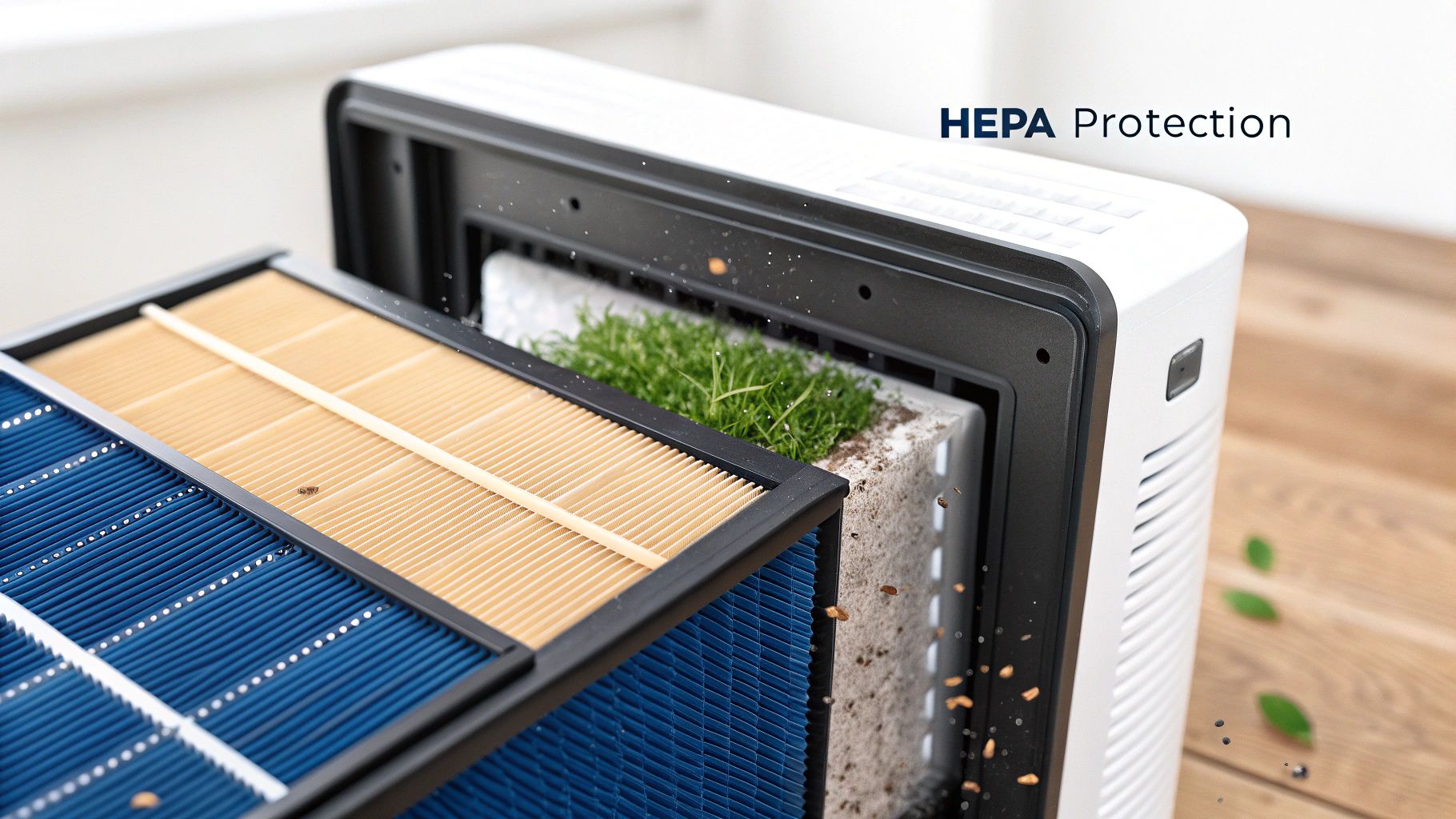
At the heart of any air purifier worth its salt is the HEPA filter. HEPA stands for High-Efficiency Particulate Air, and it's the gold standard for a reason. Imagine it as a super-dense maze made of tangled fiberglass fibers.
As air is forced through, even microscopic particles get stuck in this maze. A true HEPA filter is engineered to capture 99.97% of particles as small as 0.3 microns. For context, a single human hair is about 50 microns thick, so we're talking about trapping things you can't even see.
This isn't just marketing hype; clinical studies back it up. One piece of research found that using HEPA air purifiers cut down house dust mite allergen levels by over 70% in six months. The people in the study reported significantly better asthma control and fewer nighttime symptoms. For families in the Valley battling our constant desert dust, that’s a game-changer.
An air purifier with a True HEPA filter doesn't just blow air around—it physically scrubs it clean. It yanks the microscopic triggers right out of the air, giving you a real path to relief from sneezing, itchy eyes, and congestion.
Beyond Particles: Activated Carbon and Other Triggers
While HEPA filters are champs at grabbing particles, they can't catch everything. Allergies can also be triggered by gases, chemicals, and funky smells, which are often called Volatile Organic Compounds (VOCs). These come from everyday things like cleaning sprays, new furniture, or even last night’s dinner.
This is where an activated carbon filter steps in. Think of it as a sponge for odors and gases. The carbon is treated with oxygen, which creates millions of tiny pores that trap gas molecules on its surface—a process called adsorption.
Here’s the thing: you need a one-two punch for Phoenix allergens.
- Pollen and Dust Mites: The dense HEPA filter maze traps these with incredible efficiency.
- Pet Dander: Those tiny skin flakes from your furry friends don't stand a chance against the HEPA filter.
- Mold Spores: The purifier can capture airborne spores, but it's crucial to fix the source of the moisture. Understanding the impact of mold damage is the other half of the battle.
- Odors and VOCs: The activated carbon filter takes care of these gaseous pollutants, absorbing smells from pets, smoke, or household chemicals.
When you combine HEPA and activated carbon filtration, you get a powerful defense against both the particles you can't see and the smells you can't stand. This two-pronged attack is what makes the best air purifier for allergies so effective.
Essential Features of an Allergy Air Purifier
When your goal is serious allergy relief, you quickly learn that not all air purifiers are created equal. Many models you'll find online or in big-box stores are underpowered or just don't have the right kind of filtration to trap the microscopic particles that make you miserable.
To find a machine that actually works, you have to look past the slick marketing and focus on a few non-negotiable features. It’s the small details that separate an air purifier that genuinely cleans your air from one that just moves it around.
Let me explain exactly what to look for.
True HEPA Filtration: The Gold Standard
The single most critical feature for anyone with allergies is a True HEPA filter. This isn't just a fancy brand name; it's a strict performance standard. For a filter to earn this label, it must be independently tested and proven to capture 99.97% of airborne particles as small as 0.3 microns.
Why does that tiny number matter so much? Because most of the things that trigger your allergies fall well within that range.
- Pollen: Typically 10 to 100 microns.
- Dust Mite Debris: Averages around 10 to 40 microns.
- Pet Dander: Can be as small as 2.5 microns.
- Mold Spores: Usually between 3 and 12 microns.
As you can see, a True HEPA filter is more than strong enough to snatch the most common culprits out of the air. Be very careful with fuzzy marketing terms like "HEPA-type" or "HEPA-like"—they don't meet this tough standard and will absolutely let smaller, more irritating particles right through.
Clean Air Delivery Rate (CADR)
Next up is the Clean Air Delivery Rate, or CADR. The easiest way to think about CADR is as horsepower for your air purifier. It's a number that tells you how much clean air the unit can produce (measured in cubic feet per minute) and, by extension, how quickly it can clean a specific room. A bigger CADR means faster, more effective cleaning.
The Association of Home Appliance Manufacturers (AHAM), which oversees this rating, gives a handy "2/3 Rule" to help you match a purifier to your room size:
Your air purifier's CADR rating should be at least two-thirds of the room's total square footage. For a 300-square-foot bedroom, you’d want a purifier with a CADR of at least 200.
For allergy sufferers, I always recommend aiming even higher than that. The goal is to have the purifier clean the entire volume of air in the room multiple times per hour. This constant circulation is what keeps allergen levels down, giving your sinuses a real break.
Activated Carbon for Odors and VOCs
While HEPA filters are the undisputed champions at trapping particles, they can't do anything about gaseous pollutants. Think odors from cooking, smoke, or the chemical smells from new furniture and cleaning supplies, known as Volatile Organic Compounds (VOCs). That's where an activated carbon filter comes in.
This is a crucial distinction, and understanding the different jobs of HEPA vs. Carbon filters is key to getting a complete solution.
The incredibly porous surface of activated carbon acts like a sponge, adsorbing these smelly, irritating gas molecules. A machine with both True HEPA and a substantial activated carbon filter will tackle just about every airborne trigger, from dander to fumes.
Practical Features That Matter
Beyond the core filtration tech, a few other features can make a huge difference in how well the purifier works for you day-to-day. After all, you want relief, not a new noisy appliance that drives you crazy.
Key Considerations for Your Checklist:
- Noise Level: Look for the decibel (dB) rating on the lowest setting, especially for a bedroom unit. If it's too loud to run while you sleep, it's not going to provide the 24/7 filtration you need.
- Air Quality Sensors: Better purifiers come with built-in sensors that detect pollutants in real-time. This allows the unit to run on an "Auto Mode," ramping up the fan speed when dust or pollen is high and running quietly when the air is clean.
- Filter Life and Cost: Pay attention to how often the filters need to be replaced and how much they cost. This ongoing expense is a big part of the total investment over the life of the machine.
To help you keep track, here's a simple checklist of what really matters when you're shopping for an allergy-focused air purifier.
Air Purifier Feature Checklist for Allergy Sufferers
Use this table as a quick reference guide to compare different models and make sure you're prioritizing the features that will give you the most relief.
| Feature | Why It Matters for Allergies | What to Look For |
|---|---|---|
| True HEPA Filter | Captures 99.97% of tiny allergens like pollen, dander, and dust mite debris. | The official "True HEPA" designation, not "HEPA-like." |
| High CADR | Ensures the purifier is powerful enough to clean your room size effectively and frequently. | A CADR rating that is at least 2/3 of your room's square footage. |
| Activated Carbon Filter | Removes odors, smoke, and chemical gases (VOCs) that can also trigger reactions. | A substantial carbon filter, preferably with pellets over a thin mesh. |
| Low Noise Levels | Allows for continuous, 24/7 operation without disrupting sleep or daily life. | A decibel (dB) rating under 40 on its lowest setting. |
| Air Quality Sensor | Automates performance, increasing power when allergens are high and saving energy when they are not. | Models with an "Auto Mode" feature and a visible air quality indicator. |
Focusing on these five areas will steer you toward a high-performance machine that delivers real results, helping you breathe easier in your own home.
Portable Units Versus Whole-Home Air Filtration
When you're trying to figure out the best air purifier for allergies, you'll eventually hit a fork in the road. Should you get a standalone, portable unit for one room, or should you invest in a system that cleans the air everywhere in your home? The truth is, both can give you serious allergy relief, but they get there in completely different ways.
A portable air purifier is just what it sounds like: a single appliance you can plug in wherever you need it most. They are fantastic for creating clean-air zones. Is your bedroom a disaster for nighttime allergies? A portable unit can make it a sanctuary. Trying to work in your home office without sneezing every five minutes? A small unit humming in the corner can make a huge difference.
Their biggest draws are flexibility and a lower price tag upfront. You can start with one for your most-used room, see if it helps, and maybe add another later. There's no installation needed—just unbox it, plug it in, and you're good to go.
The Limits of Portable Purifiers
But that flexibility comes with a catch. A portable unit is a one-room solution. It’s only cleaning the air right where it’s sitting, which means it can’t do a thing about the dust mites in the living room or the pollen that just floated in through the back door.
If you want clean air in your whole house, you’d need to buy a portable unit for every single room. That means managing multiple filter changes, finding outlets and floor space for all of them, and listening to them all run at once. It can get clunky and expensive pretty fast. They’re great for targeted relief, but they're a spot treatment for a house-wide problem.
This little decision tree can help you see which path might fit your immediate needs, based on the size of the space you’re trying to clear.
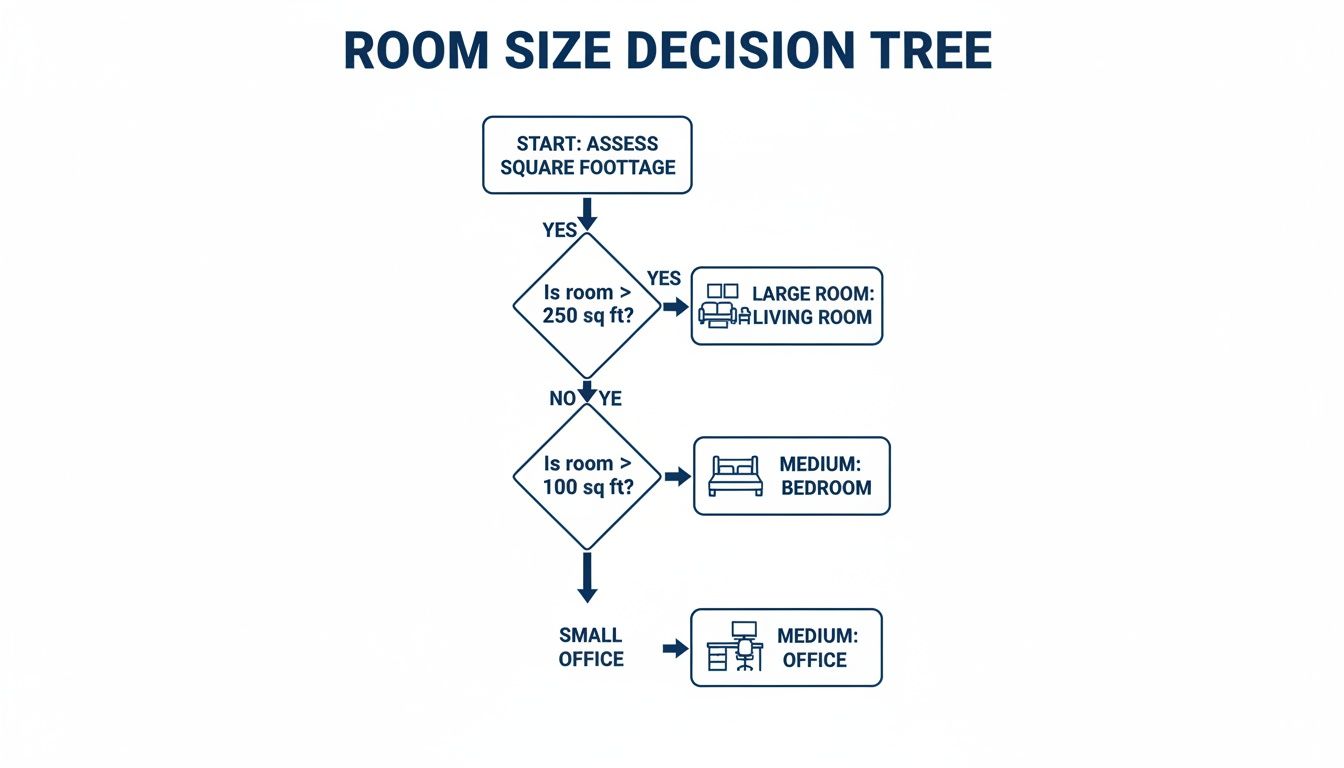
As you can see, the bigger the area you need to cover, the more it makes sense to start thinking about a more powerful, permanent solution.
Whole-Home Air Filtration: The Comprehensive Approach
That brings us to the other path: whole-home air filtration. Instead of scattering individual units around, a whole-home system is installed directly into your existing HVAC system. This means it cleans all the air that your furnace or AC circulates, every single time it kicks on.
It’s the definition of a "set it and forget it" solution, delivering consistent, clean air through every vent in your house—from the master bedroom to the kitchen.
The core difference is simple but profound: a portable unit cleans the air in a room, while a whole-home system cleans the air for your entire house. For families with severe or multiple allergy sufferers, this comprehensive coverage is often a game-changer.
Whole-home systems also go way beyond a simple filter. They can layer several technologies together for a much deeper clean:
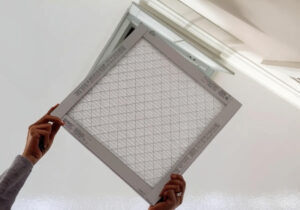
- Advanced Media Filters: Think of these as the standard 1-inch furnace filter on steroids. These thick, high-MERV filters are installed right at your air handler and grab way more particles—trapping dust, pollen, and dander before they even have a chance to enter your living space.
- UV Air Scrubbers: These systems use powerful UV-C light to actively destroy airborne organic junk like mold spores, bacteria, and viruses as they pass through your ductwork. They don't just trap particles; they neutralize them.
- Duct Cleaning and Sealing: If your ducts are dirty or leaky, they can be a superhighway for allergens, pulling in dust from your attic or crawlspace. Professional duct services make sure your ductwork is a clean pathway for pure air, not a distribution system for irritants.
Because these systems are more involved, they need to be professionally designed and installed. This is where a team like Comfort Experts comes in. We know how to size and integrate whole-home air purifiers so they work perfectly with your specific HVAC setup, giving you maximum performance without messing up your airflow or efficiency. The initial investment is higher, but the result is silent, invisible, and powerful air purification for every corner of your home.
What This Really Costs: Thinking Beyond the Price Tag
When you're shopping for an air purifier, it’s natural to zero in on the price. But that initial number on the box is only the beginning of the story. The true cost of an air purifier includes the ongoing expenses that keep it running effectively, and understanding these from the start is key for your budget and your health.
Think of it this way: a poorly maintained purifier is worse than no purifier at all. Once its filters are choked with dust and allergens, it can't grab new particles. Even worse, it might struggle to hold onto what it's already caught, potentially spitting those same irritants right back into your air.
Breaking Down the Long-Term Costs
To get a real sense of what you'll spend over the life of the machine, you need to look at three things: the unit itself, the replacement filters, and the electricity it uses.
-
Upfront Investment: This is the most obvious part. A small, basic portable unit might run you around $100, while a high-performance whole-home system installed by a professional can cost several thousand dollars. The price usually reflects its cleaning power (CADR), the quality of its filters, and any smart features.
-
Filter Replacements: This is your biggest recurring expense. HEPA and carbon filters are consumables; they fill up and need to be replaced. For a single portable unit, you can expect to spend anywhere from $50 to over $200 per year on new filters, depending on the model and how much you use it.
-
Energy Consumption: An air purifier works best when it's running 24/7, especially during allergy season. To keep this from hitting your power bill too hard, always look for an Energy Star-rated model. A modern, efficient unit might only add $20 to $60 to your annual electricity costs, but older or more powerful machines can definitely cost more to run.
Why a Simple Maintenance Schedule is Non-Negotiable
Ignoring your air purifier is like buying a gym membership and never going—you've spent the money, but you're not getting any of the benefits. A basic maintenance routine is the only way to get clean air and protect your investment.
A clean filter is the heart of an effective air purifier. If the filter is clogged, the purifier can’t move air efficiently, drastically reducing its ability to capture allergens and protect your health. It’s a simple task that makes all the difference.
For most portable units, the upkeep is pretty straightforward:
- Check the Pre-filter: Many purifiers have a washable screen on the outside that catches the big stuff like pet hair and dust bunnies. Rinsing this off every 2-4 weeks is a free and easy way to help your more expensive HEPA filter last longer.
- Replace the Main Filters: Your HEPA and carbon filters will need to be replaced according to the manufacturer's schedule, which is typically every 6 to 12 months. The best trick here is to set a recurring reminder on your phone's calendar the day you install a new one.
When it comes to whole-home systems that are integrated with your HVAC, professional maintenance is the way to go. Here at Comfort Experts, our certified technicians do more than just swap a filter; they make sure the entire system is balanced and running at peak efficiency. This protects your investment, keeps the air healthy in every room, and helps you avoid surprise repair bills down the road. For a deeper dive, check out our guide on how often you should change your air filters to keep everything in top shape.
Your Next Steps Toward Cleaner Indoor Air
Alright, you've got the facts. Now it's time to turn that knowledge into action and figure out what your home and your family's allergies really need. You know what? This whole decision usually boils down to one simple question: is a good portable unit enough, or is it time to call in the pros for a permanent, whole-home strategy? The answer usually reveals itself in how severe and persistent your allergy symptoms are.
When a Portable Purifier Is a Smart First Step
For anyone with mild to moderate allergies, or if you're just trying to fix one problem area, a high-quality portable air purifier can be a fantastic, cost-effective first move. This is probably your best bet if your situation sounds like this:
- You just need relief in a single room, like your bedroom for better sleep or the home office where you spend all day.
- Your allergies are seasonal, only flaring up when Phoenix pollen counts go through the roof.
- You're on a tighter budget or renting your home and want something you can pack up and take with you.
When to Call in the Experts for a Whole-Home Solution
But if your battle with allergies feels like a constant, house-wide problem, then spot-treating with little portable units just isn't going to cut it. It’s time to call an expert like Comfort Experts when:
- Multiple people in your family suffer from allergies or asthma, making clean air a non-negotiable in every single room.
- You’re dealing with stubborn issues like musty smells, which could point to hidden mold or deeper problems inside your ductwork. A huge part of any real whole-home solution is ensuring those air pathways are clean, which is why we often start with professional duct cleaning services.
- You want a powerful, seamless system that just works silently in the background 24/7 without you ever having to think about it.
The performance of modern air purifiers is truly impressive. Independent tests show that top models can remove 96% of pollen in just 10 minutes and 99% of smoke in 22 minutes—a game-changer for Phoenix homeowners, especially during monsoon season. You can learn more about these impressive air purifier findings to see just how fast they can work.
For anyone with severe allergies, a professionally installed whole-home system is the only way to guarantee this level of performance throughout your entire house.
Frequently Asked Questions About Air Purifiers
Even with all the facts, it’s completely normal to have a few more questions when you're trying to find the best air purifier for allergies. This is an investment in your family's health, after all. To help you feel confident, we've pulled together the most common questions we hear from Phoenix homeowners.
Do Air Purifiers Really Help with Pet Allergies?
Absolutely. The tricky thing about pet allergies is that they aren't caused by the fur itself. The real culprit is pet dander—microscopic skin flakes that our furry friends shed all day, every day. These particles are so light they can float in the air for hours, triggering sneezes, itchy eyes, and worse.
A high-quality air purifier with a True HEPA filter is your best friend here. By running it 24/7, you’re constantly pulling that dander out of the air before it has a chance to land on your couch or get into your lungs. It dramatically lowers the total amount of allergens in your home, making the space way more comfortable.
How Long Should an Air Purifier Run Each Day?
For the best results, you need to run it continuously—24 hours a day, 7 days a week. Think about it: allergens don't take breaks. Dust is always settling, pollen blows in the second a door opens, and pets are always shedding.
If you only run your purifier for a few hours here and there, you're constantly playing catch-up. Continuous filtration is the only way to keep the allergen level in your air consistently low.
The good news is that modern air purifiers are built for this. Models with an Energy Star rating are incredibly efficient, so running one around the clock won't send your electricity bill through the roof. Many even have an "Auto Mode" that adjusts the fan speed based on real-time air quality, saving power when the air is already clean.
Can an Air Purifier Handle Dust from a Haboob?
Yes, a good air purifier is one of your strongest defenses after a Phoenix haboob rolls through. Those massive dust storms kick up an unbelievable amount of fine particulate matter that sneaks into your home and can hang in the air for days.
A powerful air purifier with a high CADR (Clean Air Delivery Rate) and a True HEPA filter will get to work immediately, capturing that fine desert dust. This reduces the grime that settles on your furniture and, more importantly, keeps it out of your lungs. It’s an essential tool for getting your indoor air quality back to normal after a big storm.
Will a Whole-Home System Increase My Energy Bills?
That’s a very common—and smart—question. While it’s true that any appliance moving air uses electricity, modern whole-home systems are designed to be surprisingly efficient. A professionally installed system is calibrated to work with your existing HVAC unit, not against it.
Here’s how it works: these systems are integrated to run when your HVAC fan is already on, which minimizes any extra energy draw. By using advanced, high-efficiency filters and smart airflow designs, they add serious air-cleaning power with only a minimal impact on your overall energy use. The goal is to maximize your air quality without creating a big new expense on your utility bill.
If you have more questions about HVAC systems or indoor air quality solutions, we've compiled a list of other common inquiries on our Comfort Experts FAQ page that you might find helpful.
At Comfort Experts, we believe every family in the Phoenix Valley deserves to breathe clean, healthy air. If you're tired of battling allergies and ready for a real solution, our team of licensed experts is here to provide an honest diagnostic and tailored recommendations for your home. Take the first step toward lasting relief by calling us at 480-207-1239 or schedule service online today.