
Your AC dies on a 114-degree afternoon, the house starts climbing, and the first question is not brand or features. It is cost replace 3 ton ac unit and what that number looks like in Mesa and across the Phoenix Valley.
If your home is in that common mid-size range, this guide gives you the straight answer, plus the local variables that decide whether your quote stays reasonable or creeps up.
Decoding the Price Tag What a 3-Ton AC Replacement Really Costs
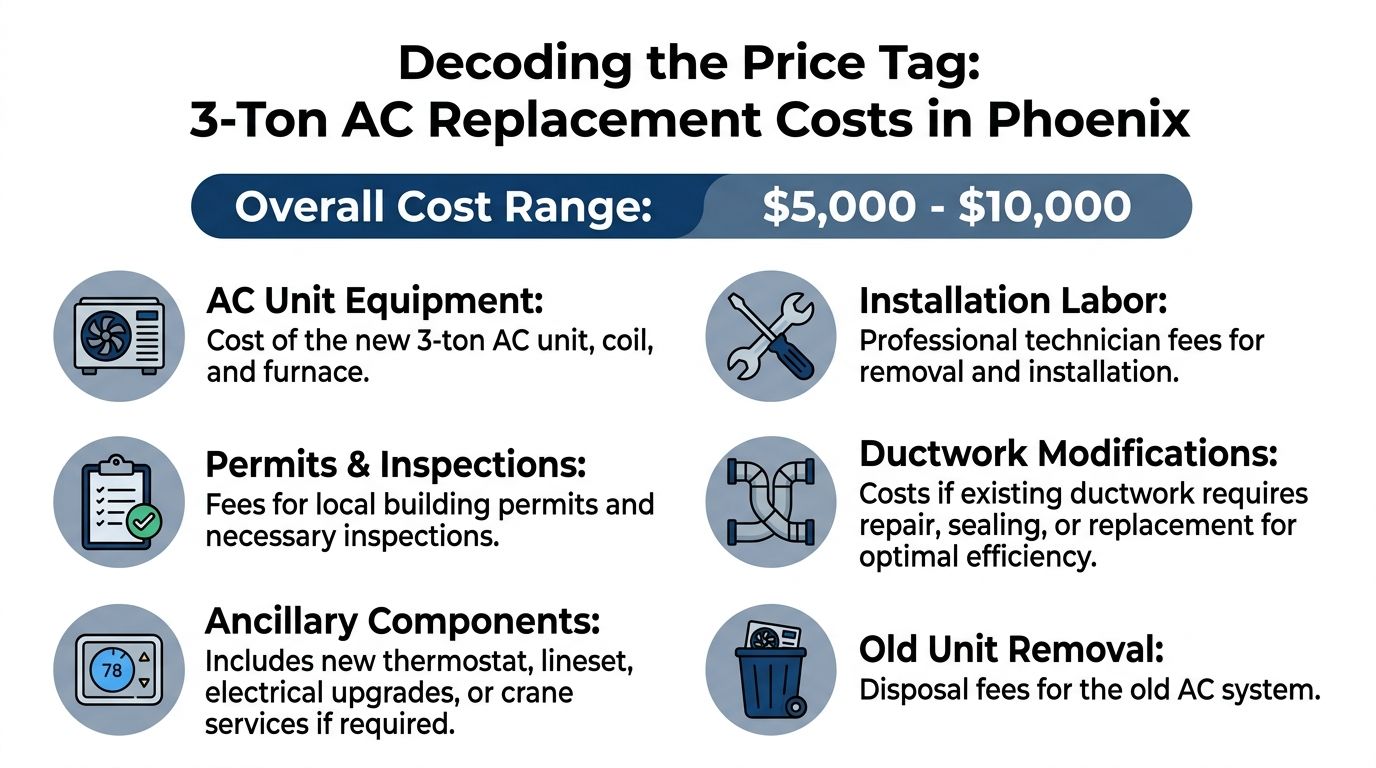
For a lot of Mesa homeowners, a 3 ton replacement lands in the middle of the market, not at the bargain end and not at the top either. A fair 2026 starting range is $5,000 to $10,000 for a full install, with equipment at $2,500 to $6,000 and labor at $1,500 to $3,000, based on this 2026 3-ton HVAC installation cost guide. That size is commonly used in homes around 1,600 to 2,000 square feet, which fits a large share of houses in Mesa, Gilbert, Chandler, and nearby East Valley neighborhoods.
That range gives you a starting point. It does not tell you whether your house is an easy swap or the kind of job that exposes extra work once the old equipment comes out.
A straightforward replacement with usable ductwork, decent attic access, and no electrical surprises usually stays toward the lower half of the range. Costs climb when the installer has to correct airflow problems, replace damaged fittings, update code items, or install a higher-efficiency system built for long Phoenix cooling seasons.
What the price usually includes
A real replacement quote for a standard split AC system usually includes a few core parts:
- Equipment cost covers the outdoor condenser and matching indoor components. The unit portion typically falls in the $2,500 to $6,000 range.
- Labor cost covers removing the old system, setting the new equipment, connecting refrigerant lines, startup, and testing. Labor often runs $1,500 to $3,000.
- Additional items may include permits, a thermostat, duct adjustments, drain work, or minor electrical corrections. In the Valley, these add-ons often decide whether a quote feels reasonable or suddenly gets expensive.
A low online price for the condenser alone does not reflect the cost of replacing a working system correctly. Airflow, charge, drain setup, and the condition of the existing duct system all affect how the new unit performs.
Typical 3-ton AC replacement cost breakdown in Mesa AZ
| Cost Component | Average Price Range (2026) |
|---|---|
| AC unit equipment | $2,500 to $6,000 |
| Installation labor | $1,500 to $3,000 |
| Ductwork or add-ons | $500 to $1,000 |
| Complete installation package | $5,000 to $10,000 |
Why Phoenix Valley pricing needs context
Phoenix Valley homes have local cost drivers that homeowners in milder climates do not always run into.
In older Mesa neighborhoods, I often see undersized returns, patched flex duct, loose connections in the attic, and insulation gaps that make a new 3 ton unit work harder than it should. Monsoon season adds another layer. A system may need a new disconnect, whip, pad correction, roof curb repair, or weatherproofing after years of dust, heat, and storm exposure.
SEER ratings also hit differently here. In a mild climate, the jump from a basic system to a higher-efficiency model can feel optional. In Mesa, where the AC carries the house for months, that choice can affect both summer utility bills and how hard the equipment has to run day after day.
A solid quote breaks out the base replacement from conditional repairs and recommended upgrades. That approach helps you budget accurately and avoid getting blindsided.
Key Factors That Influence Your Final AC Replacement Cost
Two homes can both need a 3-ton unit and get different quotes. That is normal in Arizona.
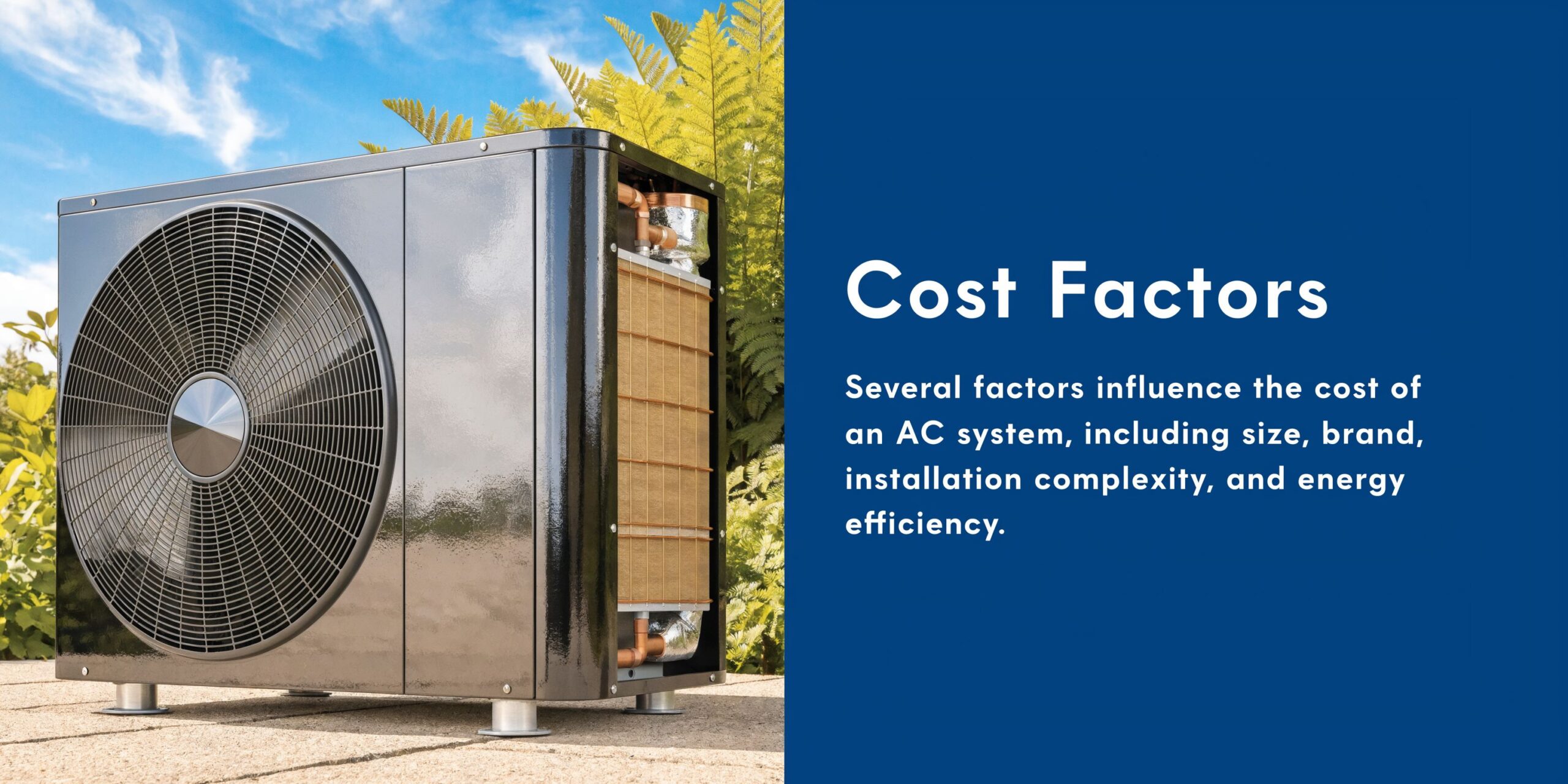
The first number you hear is only the starting point. The final invoice depends on efficiency level, refrigerant, home layout, equipment access, and whether the installer has to correct existing problems before the new system can do its job.
Efficiency affects both price and stress on the system
A basic efficiency unit costs less upfront. A higher SEER2 model costs more, but in Phoenix heat it runs under less strain for the same cooling demand.
Think of efficiency like highway RPM in a truck. Two trucks can both hit the same speed, but one does it working harder. In long Arizona cooling seasons, that matters.
What does not work is buying on sticker price and ignoring how the system will spend summer after summer operating under heavy load. What works better is matching the efficiency level to how long you plan to stay in the house and how high your summer electric bills get.
Brand quality matters more in desert heat
Not every homeowner needs the premium option. But the Valley is not a forgiving market for weak equipment or sloppy installs.
In a harsh cooling climate, brand matters less than some salespeople claim, but build quality and install discipline matter more than many homeowners realize.
Budget systems can make sense in a rental, a quick-turn property, or a home you do not plan to keep long. Better-built systems tend to make more sense when the house is your long-term place, especially if you care about quieter operation, stronger warranty support, and more stable performance during extreme heat.
Refrigerant can change the quote more than people expect
This is one of the least understood cost variables right now. According to this 3-ton AC and furnace cost breakdown focused on refrigerant impacts, R-454B systems cost $6,200 to $8,000 installed, while R-32 systems cost $5,500 to $7,200 installed, a $700 premium for R-454B. The same source notes that R-454B may require special charging equipment and fire-rated components, adding $300 to $800.
That matters in Phoenix Valley quotes because code interpretation, technician readiness, and part availability can all affect timing and labor.
Installation complexity can move the project up the range
Some replacements are easy. Many are not.
A few local examples:
- Rooftop package or split access can slow down removal and setting.
- Tight attic spaces make coil work and drainage corrections harder.
- Older Mesa homes may have return-air limitations that were never fixed.
- Monsoon wear can show up as damaged electrical whips, corroded disconnects, or roof-related service issues.
When a contractor says the job is “complex,” ask what specifically creates that complexity. A serious answer should mention access, airflow, drain routing, electrical compatibility, or duct condition. It should not be vague.
A new condenser does not solve a bad air distribution system. If supply ducts leak in a hot attic, or if the return side is undersized, your new unit can cool poorly and run longer than it should.
Look at homes in older Mesa neighborhoods. Many have had additions, enclosed patios, garage conversions, or room changes over the years. The duct system tells that story. One room gets blasted. Another stays warm. Homeowners think the equipment is the issue, but airflow is the primary culprit.
A careful quote should evaluate:
- Return air path and whether the system can breathe
- Supply duct condition in attic runs exposed to desert heat
- Electrical readiness for the replacement equipment
- Drainage setup because clogged or poorly routed drains create repeat service problems
Let me explain. The best replacement is not just a new machine. It is a system that fits the house you have, not the one shown on the original plans.
The True Cost of Ownership SEER Ratings and Your APS Bill
The purchase price is only part of the decision. In Phoenix, the bigger expense over time is what the unit costs to run through long cooling seasons.
A higher-efficiency system asks for more money up front. In return, it can reduce how much electricity the system uses every year. According to this SEER2 cost and efficiency breakdown, higher SEER2 units can reduce annual energy use by 20 to 30 percent. That same source says that for a typical Phoenix cooling load, moving from a 14 SEER2 unit to a 20 SEER2 unit can produce a 5 to 7 year ROI through $200 to $400 in annual savings at average Arizona electricity rates.
When a higher SEER2 unit makes sense
If you plan to stay in the home for years, higher efficiency deserves a serious look. The more your AC runs, the more value efficiency can return.
That is true when:
- Your summer bills feel punishing
- The house gets full sun exposure
- You work from home and cool the house all day
- Your current unit struggles during long heat streaks
The choice is not “buy the highest SEER2 possible.” Sometimes the sweet spot is the mid-to-upper efficiency range, where the upfront premium feels manageable but the operating cost improves.
When the lower upfront cost is the better move
There are situations where a simpler unit is the right call.
A basic-efficiency replacement can make sense if you are selling soon, if the property is a rental, or if the budget is tight and reliability matters more than long-term operating savings. A lot of homeowners need a dependable system now, not an idealized payback model.
The right efficiency level depends on your timeline in the house, your comfort expectations, and how hard your AC runs in real life.
SEER2 in Phoenix is not just a paper rating
Arizona heat has a way of exposing bad decisions. A unit that looks fine on paper can disappoint if the duct system leaks, the return is undersized, or the equipment was oversized and short-cycles.
That is why efficiency should never be evaluated in isolation. It should be matched with proper sizing, airflow, and install quality. If you want a look at efficiency trade-offs, this breakdown of SEER 14 vs 16 in Arizona conditions is a useful next step.
A cheaper unit can end up being the expensive one if it leaves you paying more every summer.
Sample AC Replacement Estimates for the Phoenix Valley
National pricing is useful as a reference point, but local context matters more. According to this 3-ton AC replacement cost analysis from This Old House, the national average is $7,777, and for a typical 2,000 square foot home in a hot climate like Phoenix, a full install lands between $5,650 and $9,800. The same source notes that some complex jobs can go well beyond the normal range.
That tracks with what many Valley homeowners see. The exact quote depends on the house, not just the tonnage.
Scenario one older Mesa ranch with duct issues
A homeowner in a 1980s brick ranch has a mid-size single-story home and wants to keep the project controlled on price. The old unit cools unevenly. One bedroom stays warm. The return side is weak, and several attic connections need sealing.
This kind of project lands in the local range above, but not at the bottom of it. The reason is simple. The equipment replacement is only one part of the job. If the airflow is bad after install day, the homeowner will not feel like the project was done right.
What works here is:
- keeping the system properly sized
- choosing solid efficiency without chasing the top tier
- correcting the most important duct issues at the same time
What does not work is dropping in a new condenser and hoping the comfort problem disappears.
Scenario two newer Gilbert home with rooftop access
A two-story stucco home built in the 2000s may have duct design, but rooftop access adds labor difficulty. If the homeowner wants quieter operation and better power-bill control, the quote can move toward the upper half of the local range.
The roof location matters. So does line routing. So does whether the existing setup supports the new equipment without extra modifications.
A homeowner comparing options in that situation should pay attention to line-item clarity, not just bottom-line price. The better estimate explains what is included and why.
For broader local budgeting context, this Arizona-focused guide on AC replacement cost helps frame what homeowners see before a site visit.
What these examples show
Two houses can both need a 3-ton replacement and get different answers. That is normal.
The house age, roof or attic access, duct condition, and the homeowner’s priorities all shape the number. If a quote seems lower than the others, the missing piece is not magic pricing. It is missing scope.
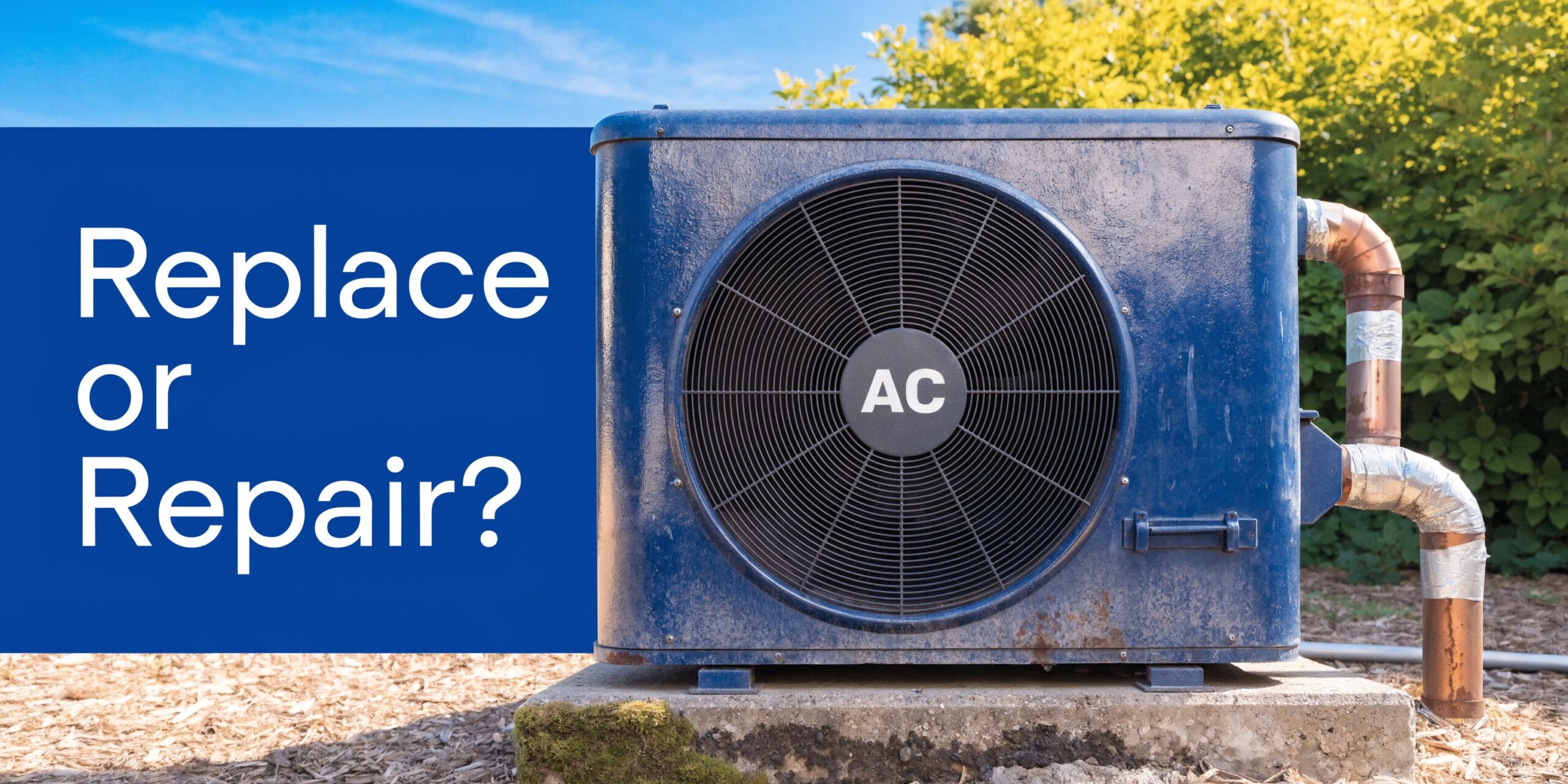
Is It Time to Replace Your Air Conditioner?
Not every struggling AC needs replacement. Some need a targeted repair, a capacitor, a contactor, or a drainage correction.
But some systems are telling you clearly that you are putting money into borrowed time.
Signs replacement is usually the smarter move
Frequent summer breakdowns
If the unit keeps failing when you need it most, reliability becomes part of the cost discussion. One repair is one thing. A pattern is different.Uneven cooling that never gets solved
If parts have been replaced but comfort never improves, the problem may be larger than one component. Sizing, duct design, or age-related wear may all be in play.Higher power bills
Homeowners feel this before they can explain it. The system runs longer, struggles more, and the bill follows.Strange noises or rough startup
Grinding, rattling, hard starting, or repeated shutdowns mean the system is not aging gracefully.An older unit with obsolete refrigerant concerns
If your system uses older refrigerant and major work is needed, replacement makes more sense than putting money into outdated equipment.
When a repair still makes sense
A repair is worth doing when the unit is otherwise dependable, the failure is isolated, and the system fits the house well. A good technician should be able to tell the difference between a fixable issue and a machine that is headed for repeat trouble.
If the repair solves the root cause and the rest of the system is sound, repair can be the right move. If it only buys time for the next failure, replacement is the better investment.
Age matters, but condition matters more
Homeowners ask for a single cutoff point. Real life is messier than that.
Some systems age well because they were installed and maintained. Others wear out early because airflow was poor from day one or the equipment baked through years of heavy use without service. If you want a practical look at lifespan expectations, this article on how long AC units last in Arizona is worth reading.
If your gut already says you are tired of sinking money into the same system, that feeling is based on something real.
Financing Your New AC and Finding Rebates
A replacement bill in the thousands is tough, even when you know it is coming. Most families are not excited to spend that money on cooling equipment. They just need the house comfortable and safe again.
Financing can help by turning a large project into manageable monthly payments. That gives homeowners room to choose the right system instead of the cheapest emergency option available that day.
Where savings usually show up
A few places are worth checking before you sign:
- Manufacturer promotions can improve the value of a better system.
- Utility programs may reward higher-efficiency equipment.
- Seasonal offers can make timing matter if your unit is limping along but not fully down.
- Financing plans may let you pair needed duct or thermostat work with the replacement instead of postponing it.
Why rebates should not be an afterthought
Rebate availability changes, and qualifying equipment matters. A homeowner can assume a system qualifies when it does not, or miss a program entirely because the paperwork was not handled.
That is why it helps to review current programs before making the final equipment choice. This local page on HVAC rebates and savings options is a practical place to start.
The cheapest path on install day is not the most affordable path over the life of the system.
How to Get an Accurate Quote from Comfort Experts
Online ranges are useful for planning, but they cannot see your attic, roof access, return duct, insulation gaps, or electrical setup. An accurate quote needs eyes on the house.
An in-home evaluation should include equipment sizing, duct inspection, and a review of the installation conditions that affect labor and performance. It should identify whether comfort complaints come from the equipment itself or from airflow problems that a new condenser alone will not fix.
What a solid quote should include
- Clear equipment details so you know what is being installed
- Labor scope that explains removal, setup, startup, and testing
- Known add-ons such as permit-related items or accessories
- Recommendations tied to your house, not generic sales language
If you are comparing companies, this guide on choosing the best HVAC company near me can help you sort out who is evaluating the home and who is just throwing out a fast number.
Frequently Asked Questions About AC Replacement
Is a 3-ton AC the right size for my house
It might be, but square footage alone does not decide that. Insulation, sun exposure, window load, ceiling height, duct design, and how the home is laid out all matter. A lot of Phoenix-area homes fall into the size band where 3 tons is common, but sizing should be confirmed in person.
Why do quotes vary so much for the same tonnage
Because tonnage is only one piece of the job. Two contractors may price different refrigerants, different efficiency levels, different brand tiers, and different amounts of included labor or corrective work. One quote may ignore duct or airflow issues that another company took seriously.
Should I replace the thermostat when I replace the AC
Yes. If the thermostat is outdated, unreliable, or not well matched to the new equipment, replacing it during the installation makes sense. It is a good time to think about programming, scheduling, and whether the home would benefit from smarter control.
If you want a straight answer on your cost replace 3 ton ac unit in Mesa or anywhere in the Phoenix Valley, Comfort Experts can inspect the home, explain the trade-offs, and give you a written quote based on your actual system instead of guesswork. When you are ready, call 480-207-1239 or schedule service online.