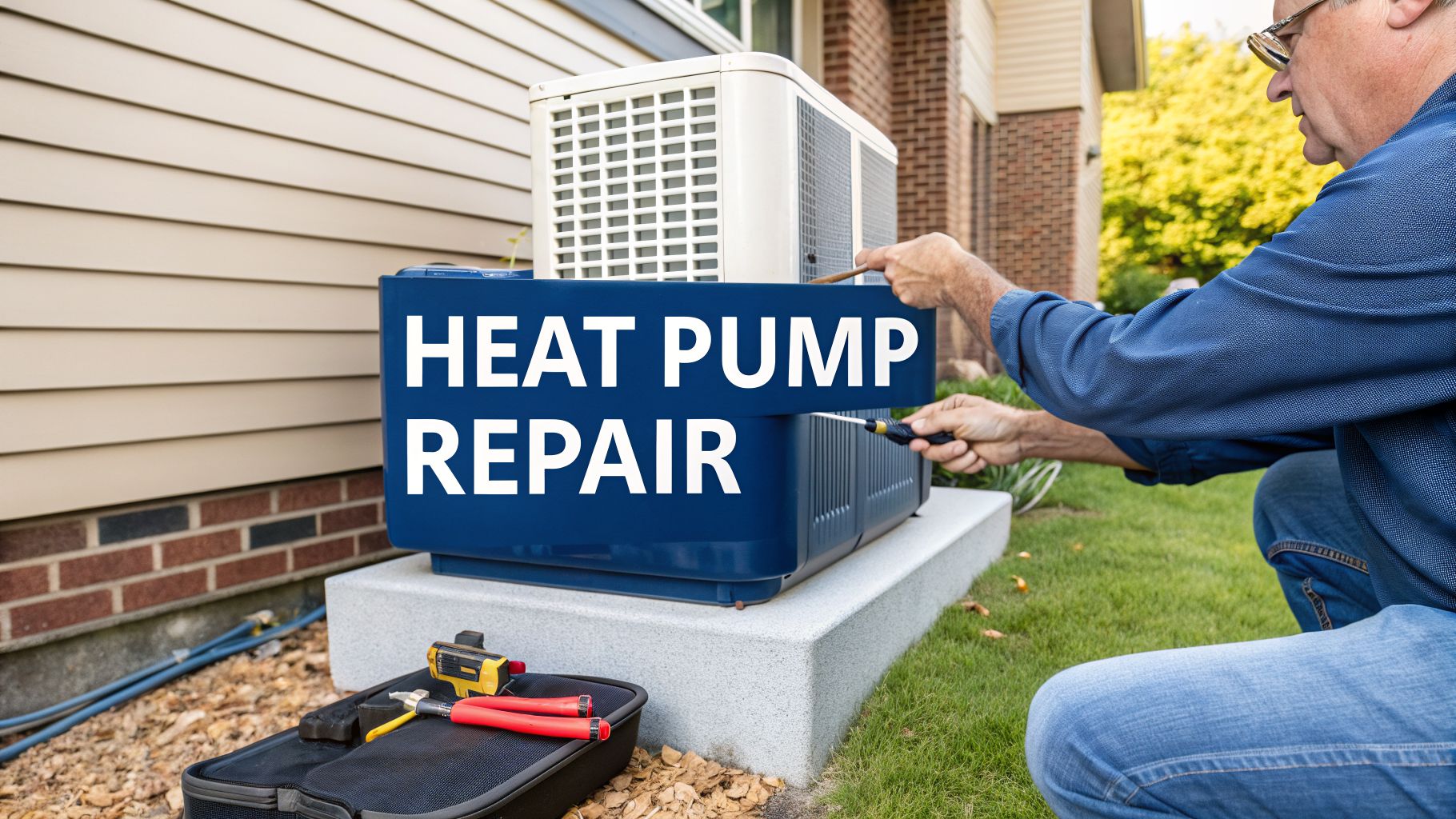
Is your heat pump working overtime just to keep up with the Arizona heat, or failing to warm your home on a chilly morning, making you wonder if it’s time to repair your heat pump? We’ve all been there—that sinking feeling when your home is way too hot or uncomfortably cold is something every Phoenix homeowner dreads. The good news is, your system usually sends out warning shots long before it quits for good, and our team at Comfort Experts has the experience to help you read the signs.
Is Your Heat Pump Trying to Tell You Something?
That steady, low hum from your HVAC system is the sound of a happy home. But when it starts getting replaced by clanks, hisses, or musty smells, it’s a clear signal that something’s off. Your heat pump talks to you through its performance, its sounds, and even your monthly APS or SRP bill. Figuring out what it's saying is the first step to a quick fix—and avoiding a total system meltdown during a scorching Mesa summer.
You just have to know what to listen for. Are you listening?

Common Warning Signs
Let's run through the most common symptoms we see in the field from our decades of experience serving the Valley. Some are small annoyances you can check yourself, while others are serious red flags that need a pro’s attention right away.
- Strange Noises: Are you hearing grinding, squealing, or loud clanking? Those noises usually point to a mechanical problem, like a failing motor or parts that have come loose. A hissing sound is more urgent—that could mean a refrigerant leak, which is bad for the system and the environment.
- Unusual Smells: A quick burning smell the first time you turn on the heat for the season is often just dust burning off the coils. But if you get a persistent musty odor, that suggests mold or mildew growing inside your unit. An electrical or "gunpowder" smell is a critical warning of an electrical fault that needs to be shut down and addressed immediately.
- Short-Cycling: Does your heat pump turn on, run for just a few minutes, then shut off again? That’s called short-cycling, and it's a huge red flag. It puts incredible wear and tear on the system and can be caused by anything from a clogged filter to a refrigerant issue or an improperly sized unit.
- Sudden Spike in Energy Bills: If your utility costs jump without any real change in your habits, your heat pump is probably struggling. That inefficiency is a classic sign of a system that's working way too hard and needs a tune-up or repair.
Your heat pump is a complex piece of equipment that’s supposed to work quietly in the background. The moment you start noticing it—whether it’s through weird sounds, funky smells, or just not keeping you comfortable—is the moment you need to start paying attention. Our first-hand experience shows this is the point where a small problem can become a major, expensive one if ignored.
This responsive table can help you quickly decide what to do next based on what we've seen on countless service calls.
| Symptom | Potential Cause | DIY Check or Pro Call? |
|---|---|---|
| Grinding/Squealing Noise | Failing motor bearings, loose components | Professional Call |
| Musty Smell | Mold/mildew in coils or drain pan | DIY check first, then Pro if needed |
| Constant On/Off Cycles | Dirty filter, low refrigerant, thermostat issue | DIY thermostat/filter check first |
| Unexpectedly High Bill | System inefficiency, refrigerant leak | Professional Call |
Getting familiar with the basics can also save you a lot of headaches. If you want to dig a little deeper, check out our guide on how a heat pump works to get a better handle on what’s happening inside that big box in your yard. It all starts with recognizing when your system is asking for help.
DIY Heat Pump Checks You Can Do Today
When your heat pump acts up, the first instinct is to grab the phone and call for a repair. But hold on a minute. As a team that's in Mesa homes every day, we can tell you from direct experience that a surprising number of "broken" systems have simple, DIY fixes.
Think of this as the same checklist we'd run through ourselves before opening up a toolbox. These are the practical first steps any homeowner can take to rule out the obvious and potentially save yourself a service call.
First, Check Your Thermostat Settings
You know what? You’d be amazed how many service calls we run—especially during the spring and fall changeovers here in Arizona—that end right at the thermostat. It’s the brain of your whole system, and a simple misconfiguration is an easy thing to overlook.
Before you touch anything else, walk over to your thermostat and confirm a few things:
- Is it on the right mode? Make sure the system is set to "Cool" during a heatwave or "Heat" on a chilly morning, not "Off" or "Fan." It's a common mistake we see all the time.
- What's the temperature set to? Your system will only kick on if the set temperature is actually lower than the room temp (for cooling) or higher (for heating).
- Check the batteries. If your thermostat is battery-powered, a weak battery can cause all sorts of strange behavior or make the screen go blank. Pop the cover off and put in a fresh set.
Next, Inspect the Air Filter
Here in the Phoenix Valley, dust is the #1 enemy of your HVAC system. A clogged air filter is easily the most common cause of trouble we see, forcing your heat pump to work way too hard just to breathe. This strain leads to poor performance, higher bills, and can even cause the system to overheat and shut down.
A dirty filter is like forcing your system to breathe through a thick, dusty blanket. Eventually, it starts to suffocate, which tanks your airflow and can seriously damage expensive parts like the compressor. This is a fact backed by years of field experience.
Changing it is usually a quick job. If you’re not sure where your filter is located, our guide on finding the air filter in your house can walk you through it. Just slide the old one out and slide the new one in. Making this a regular habit every 1-3 months is the single best thing you can do for your system's health.
Clear the Outdoor Unit and Check the Breaker
Your outdoor unit needs space to breathe. Go outside and take a look. Is there anything blocking airflow?
- Clear away any leaves, grass clippings, or dirt that has built up on the sides and top of the unit.
- Make sure any nearby bushes, weeds, or other plants are trimmed back to give it at least two feet of clearance on all sides.
While you're at it, check the power. Find your home's main electrical panel and locate the circuit breaker for your heat pump. Sometimes a brief power surge can cause it to trip. If the switch is in the "off" or middle position, push it firmly all the way to "off," then flip it back "on." If it trips again right away, stop and don't reset it again. That’s a clear sign of an electrical problem that needs a professional eye.
Getting familiar with your heat pump is a smart move, especially now. By 2026, heat pumps are projected to outsell traditional ACs in many parts of the country, and the Phoenix area is part of that wave. It's a trend driven by homeowners looking to upgrade—in fact, 19% of owners with systems from the mid-2000s are actively seeking replacements, often after an initial repair scare.
For us in Arizona, the payoff is significant. A modern heat pump can achieve over 300% efficiency, potentially cutting winter heating costs by 40% compared to older electric systems.
Problems That Need a Professional HVAC Technician
While those basic DIY checks are a great first step, some heat pump problems are just too complex or dangerous to tackle without professional training and specialized tools. Honestly, trying to perform an advanced repair on your heat pump can easily turn a fixable issue into a full-blown system replacement.
This is where you call in the cavalry—a licensed, experienced HVAC technician from a trusted company like Comfort Experts. These are the situations where trying to save a few dollars could end up costing you a whole lot more in the long run, not just in money but also in safety.
This simple decision tree can help you run through the basic DIY checks before deciding to make that call.

Running through these first—checking power, your filter, and the outdoor unit for debris—can often solve minor issues and save you a service call.
Refrigerant Leaks and Recharging
If you hear a distinct hissing sound or notice your system just isn't cooling or heating like it used to, you might be dealing with a refrigerant leak. This isn't a DIY job. Here's the thing: Refrigerant is the lifeblood of your system, and it's kept under extremely high pressure.
A refrigerant leak is not something you can just "top off." It's a closed-loop system, so low levels mean there’s a leak somewhere that must be located and expertly repaired. Handling refrigerant requires specialized EPA certification and tools, which all of our technicians at Comfort Experts possess.
A technician will use electronic leak detectors to pinpoint the source of the leak, repair it properly, and then recharge the system to the manufacturer’s exact specifications. Getting it wrong can wreck your compressor.
Compressor Failure
Think of the compressor as the heart of your heat pump. It's the heavy-duty motor responsible for pumping refrigerant between the indoor and outdoor units. When it fails, the entire system grinds to a halt.
You might have a failing compressor if you notice:
- Loud, rumbling or clanking noises coming from the outdoor unit.
- The system trips the circuit breaker over and over.
- The unit struggles to start up and then shuts off abruptly.
Compressor replacement is one of the most significant repairs a heat pump can need. It requires a skilled technician to safely recover refrigerant, remove the old unit, braze a new one into place, and ensure the system is perfectly clean and properly charged.
Electrical Component Failures
Your heat pump is full of critical electrical parts, and when one of them fails, it can shut the whole system down. This is where things get really dangerous for a DIYer.
- Capacitors: These little components give the motors the electrical jolt they need to start and run. A weak or failed capacitor is a common issue in our Arizona heat and often causes the motor to just hum without starting.
- Contactors: This is basically a heavy-duty switch that controls power to the compressor and outdoor fan. If it gets stuck or the contacts get burnt out, your unit won’t turn on or off correctly.
Working with high-voltage electrical components is extremely risky without proper training and safety gear. A professional can diagnose the faulty part in minutes and replace it safely.
DIY Fix vs Professional Repair Cost and Complexity
To help you decide when to tackle an issue and when to call us, here's a quick breakdown of common heat pump problems, their causes, and who should handle the fix.
| Issue | Typical Cause | DIY or Pro? | Estimated Pro Repair Cost |
|---|---|---|---|
| System not turning on | Tripped breaker, thermostat issue | DIY Check First | $150 – $400 |
| Low airflow | Clogged air filter, blocked vents | DIY | N/A (Cost of filter) |
| Outdoor unit frozen | Dirty filter, low refrigerant | DIY Check First, then Pro | $300 – $1,500+ |
| Constant running | Low refrigerant, thermostat problem | Pro | $300 – $1,200 |
| Strange noises | Failing motor, loose parts | Pro | $250 – $2,000 |
| Compressor failure | Electrical issue, refrigerant leak | Pro Only | $2,000 – $4,500+ |
As you can see, the simpler fixes are things you can often handle yourself. But as soon as refrigerant or major electrical components are involved, the complexity and risk jump significantly, making a professional call the only safe option. The cost for these professional repairs reflects not just parts and labor, but also the specialized knowledge needed to do the job right. Some of these electrical issues can even look a lot like other common problems, which is why a professional diagnosis is so important when you need AC repair service near you.
Repairing Versus Replacing Your Arizona Heat Pump
It’s the question every Phoenix homeowner dreads when their heat pump acts up: "Should I pay to repair my heat pump again, or is it finally time to replace the whole thing?" This is a big financial fork in the road, and there’s no single right answer. The best choice depends entirely on your system, your home, and your budget.
Let me explain. The immediate sticker shock is what most people focus on first.
A significant heat pump repair in our area usually runs between $415 and $1,200, depending on what failed. A full replacement is a much bigger investment, but it’s one that can actually save you money down the road through improved efficiency and fewer breakdowns.
If you're weighing this decision, you’re in good company. The global heat pump market is projected to grow from $91.5 billion to over $143.23 billion by 2031. Right here in the US, experts expect nearly 3.5 million HVAC replacements in 2026 alone as 19% of homeowners with older units decide it's time to upgrade.
Key Factors in Your Decision
When a Comfort Experts technician visits your Mesa home, we don't just look at the broken part. We help you run the numbers on what makes the most sense long-term. We call it our "repair versus replace" analysis, and it boils down to a few critical questions that we, as experts, always consider.
- How Old Is Your System? In Arizona, a heat pump has a realistic lifespan of about 10 to 15 years. If your unit is already past the 10-year mark, sinking a grand into a major repair is a tough pill to swallow. You could easily be facing another breakdown next summer.
- How Often Are You Calling for Repairs? If you and your HVAC technician are on a first-name basis from frequent service calls, it's time to add up those repair bills. A new system gives you a fresh start with the peace of mind that comes from a solid warranty.
- What's Its Energy Efficiency (SEER Rating)? Old heat pumps might have a SEER (Seasonal Energy Efficiency Ratio) of 10 or 12. New high-efficiency models can hit 16, 18, or even higher. That difference shows up every single month on your SRP or APS bill, helping the new system pay for itself.
- What Kind of Refrigerant Does It Use? This is a big one. If your heat pump uses R-22 refrigerant, the decision is almost made for you. R-22 has been phased out for environmental reasons, making it incredibly expensive and hard to source. A major R-22 leak almost always means replacement is the smarter, more cost-effective move.
At the end of the day, you're weighing a one-time repair cost against the long-term reliability and efficiency savings of a brand-new system. To get a clearer idea of what a new unit involves, take a look at our guide on the cost to replace an AC unit. It’ll help you see the full financial picture before making a choice.
The Secret to a Long-Lasting Heat Pump

The best way to handle a repair heat pump call is to make sure you never have to make one in the first place. This means shifting from a reactive mindset—fixing what’s already broken—to a proactive one that stops things from breaking down to begin with.
Here in the Phoenix Valley, professional maintenance isn't just a good idea; it's the single most effective thing you can do to keep your system alive through our brutal summers. And I'm not just talking about swapping out an air filter. A real tune-up is a deep dive into the health of your entire system.
What a Professional Tune-Up Really Involves
When a Comfort Experts technician shows up for a maintenance visit, we’re on a mission. We’re not just looking for obvious problems. We’re hunting for the small issues that could turn into catastrophic failures when the temperature hits 115°F.
Our process is thorough and systematic, hitting all the high-risk components:
- Cleaning Indoor and Outdoor Coils: Our dusty desert air cakes coils in a layer of grime that chokes airflow and makes your system work way harder than it should. A deep clean on both the indoor and outdoor coils can boost efficiency by up to 15%.
- Checking Refrigerant Levels: We verify the refrigerant charge against the manufacturer’s exact specs. If it's too low or even too high, it puts a massive strain on the compressor—the heart of your system—and kills efficiency.
- Testing Electrical Connections: Loose or corroded wiring is a serious fire hazard and one of the top reasons for component failure. We inspect and tighten every connection, test capacitors, and check contactors to ensure everything is running safely.
- Lubricating Motors: The fan motors in your system have moving parts that need proper lubrication to reduce friction and prevent overheating. It’s a simple step that can add years to the life of these expensive parts.
- Inspecting Ductwork: Leaky ducts can waste 20% to 30% of the cool air you’re paying for by dumping it into your attic. We look for bad connections, torn sections, and poor insulation to make sure that air actually reaches your rooms.
A professional tune-up isn't an expense; it's an investment in reliability, efficiency, and peace of mind. Catching small problems early prevents the emergency calls and huge repair bills that always seem to happen on the hottest day of the year. Our experience confirms this time and again.
The Benefits Go Beyond Preventing Breakdowns
For a climate like ours, we strongly recommend biannual maintenance—once in the spring before the cooling season kicks into high gear, and again in the fall before you switch over to heating. This consistent care keeps your heat pump running at peak performance and can dramatically extend its lifespan.
Beyond dodging a failed repair heat pump scenario, regular tune-ups directly impact your wallet by improving energy efficiency and lowering your monthly power bills. It also helps your indoor air quality by keeping dust, debris, and other allergens from circulating through your home. Our detailed HVAC preventive maintenance checklist shows just how much goes into a real tune-up. When you take care of your system, it takes care of you.
Clearing Up Your Heat Pump Questions
We field questions about heat pumps all day long from homeowners across the Valley. Even after you've done some troubleshooting, a few nagging concerns usually pop up. Here are straight answers to the ones we hear most often from folks right here in Mesa, Gilbert, and Phoenix.
How Long Does a Typical Repair Take?
This is one of the first things people ask, and it’s a fair question. For the most common fixes—things like a bad capacitor, a minor electrical hiccup, or clearing out a nasty clog—our techs can usually have you back up and running in about one to two hours.
That time includes finding the real problem, making the fix, and then running the system to make sure everything is working exactly as it should. Of course, bigger jobs like tracking down a sneaky refrigerant leak or swapping out a motor can take longer. If we don't have a specific part on the truck, we'll get your system secured and be back to finish the job as soon as we can get our hands on it.
Is It Normal for My Heat Pump to Run Constantly in Winter?
On those surprisingly chilly Arizona mornings, it can be. Remember, a heat pump isn’t a furnace that just blasts hot air. It works by grabbing existing heat from the outside and moving it inside. When the temperature really dips, it has to run longer and work harder to keep your house at the temperature you set on the thermostat.
Now, if your heat pump is running nonstop but your house still feels cold, that’s a different problem entirely. That’s a major red flag for issues like low refrigerant, a struggling compressor, or a problem with the backup electric "heat strips" that are supposed to help out.
Why Is My Unit Blowing Cool Air in Heat Mode?
Feeling cool air when you’re expecting heat is unsettling, but don't panic just yet. Often, the unit is just going through its defrost cycle. When it's cold and damp outside, the outdoor coils can ice up. To fix this, the system briefly reverses itself to melt that ice, which might push a little cool air through your vents for a few minutes. It's a normal function.
However, if that cool air keeps blowing for more than 10-15 minutes at a time, or if it starts happening all the time, you've got a real issue. That usually points to a failing reversing valve or low refrigerant levels—both are problems that need a professional to repair your heat pump correctly.
What Is That Whooshing Noise My Heat Pump Makes?
That "whoosh" you hear when the system kicks off or switches modes is almost always just the reversing valve doing its job. That’s the component that switches the flow of refrigerant to go from cooling to heating. It's a completely normal sound.
What’s not normal is a constant, steady hissing sound while the unit is running. That’s the classic sign of a refrigerant leak. It’s something that needs immediate attention from a pro to prevent serious damage to your compressor and protect the environment.
If your heat pump is acting up or you've got more questions, don't let a small annoyance turn into a major system failure. The team here at Comfort Experts has seen it all and we’re ready to give you honest answers and reliable repairs anywhere in the Phoenix Valley. Give us a call at 480-207-1239 or schedule service online to get your home comfortable again.