That layer of dust on the bookshelf that comes back right after you wiped it down isn't your imagination. In Mesa and across the Valley, indoor air quality solutions matter because the air inside your house can get loaded with desert dust, smoke, odors, and dry air problems faster than most homeowners realize.
What’s Really Lurking in Your Phoenix Home’s Air
If you live in Mesa, you probably know the routine. You change the sheets, dust the ceiling fan, vacuum the floor, and by the next day there's already a fine film settling on everything again. Then a haboob rolls through, the house feels stuffy, somebody starts sneezing, and you wonder how all that dust keeps getting indoors.
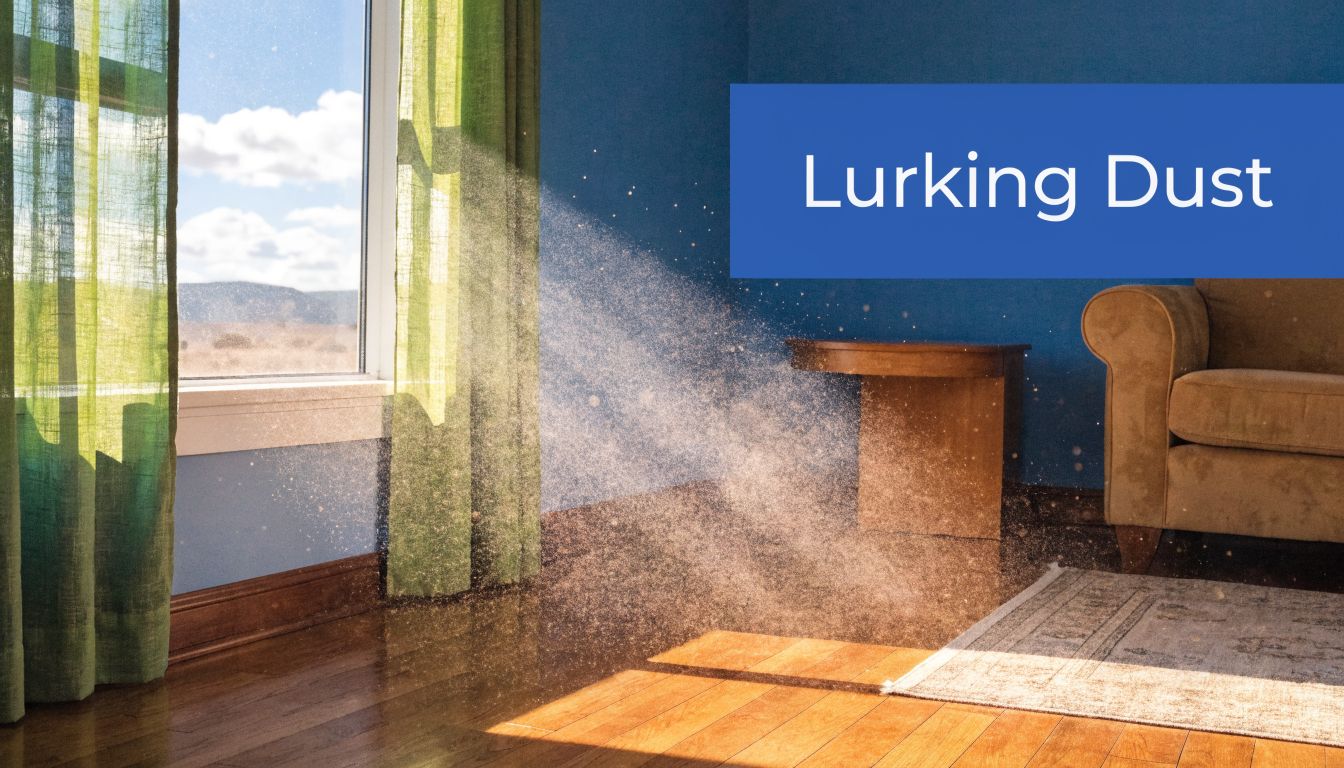
The three air problems Phoenix homes deal with most
The first is desert dust. That's the visible stuff you notice on furniture, supply vents, blinds, and floors. In the Valley, it comes from open desert, traffic, construction, landscaping, and dust storms. Some of it blows in through doors and windows. Some of it gets pulled in through leaky ductwork, attic gaps, worn weatherstripping, and neglected filters.
The second is finer airborne particles, including the kind that come from traffic and wildfire smoke. These are often the particles homeowners don't see, but they absolutely feel them. On smoky days or during poor outdoor air conditions, people often describe headaches, throat irritation, itchy eyes, or that heavy feeling in the house even when the AC is running.
The third is indoor chemical pollution, especially VOCs from cleaners, air fresheners, paint, new furniture, flooring, and other household products. In a hot climate, those odors and emissions can feel stronger. A house can look spotless and still have air that feels stale, sharp, or irritating.
Indoor air is typically 2 to 5 times more polluted than outdoor air, and some indoor environments can exceed outdoor pollution levels by up to 100 times, according to the EPA summary cited by Attune's indoor air quality statistics.
That surprises a lot of people because they assume the problem is outside. In Phoenix, outside air certainly causes trouble, but once pollutants get indoors, they can hang around if your home doesn't filter, dilute, or control them well.
Why the house feels bad even when it looks clean
A lot of IAQ problems aren't dramatic. They show up as everyday frustration:
- Constant dusting: You clean, then the dust comes right back.
- Morning congestion: You wake up dry, stuffy, or with irritated sinuses.
- Allergy flare-ups indoors: Your symptoms don't improve much after you get home.
- Lingering odors: Cooking smells, pet smells, or chemical smells stick around too long.
- One room feels worse than the others: Often a clue that airflow, filtration, or duct leakage is part of the problem.
For allergy households, a room purifier can help in the short term, but it's worth understanding the whole-house side too. If you're comparing options, this guide on best air purifiers for allergies is a useful place to start.
Why local conditions make generic advice fall short
Mesa homes deal with a mix that many national articles skip over. You aren't just fighting pet dander or a little household dust. You're dealing with desert particulates, very dry stretches, occasional smoke, and heat that can make indoor pollutants more noticeable.
Practical takeaway: If your home feels dusty, dry, or stale, the problem usually isn't one thing. It's a stack of smaller problems working together. Filter choice, duct condition, humidity, and outdoor conditions all matter.
That's why effective indoor air quality solutions usually work best as a system instead of a single gadget.
The Biggest IAQ Mistake Phoenix Homeowners Make
A lot of homeowners hear the same advice: open the windows and let in fresh air. In some climates, that can help. In Phoenix and Mesa, it often backfires.
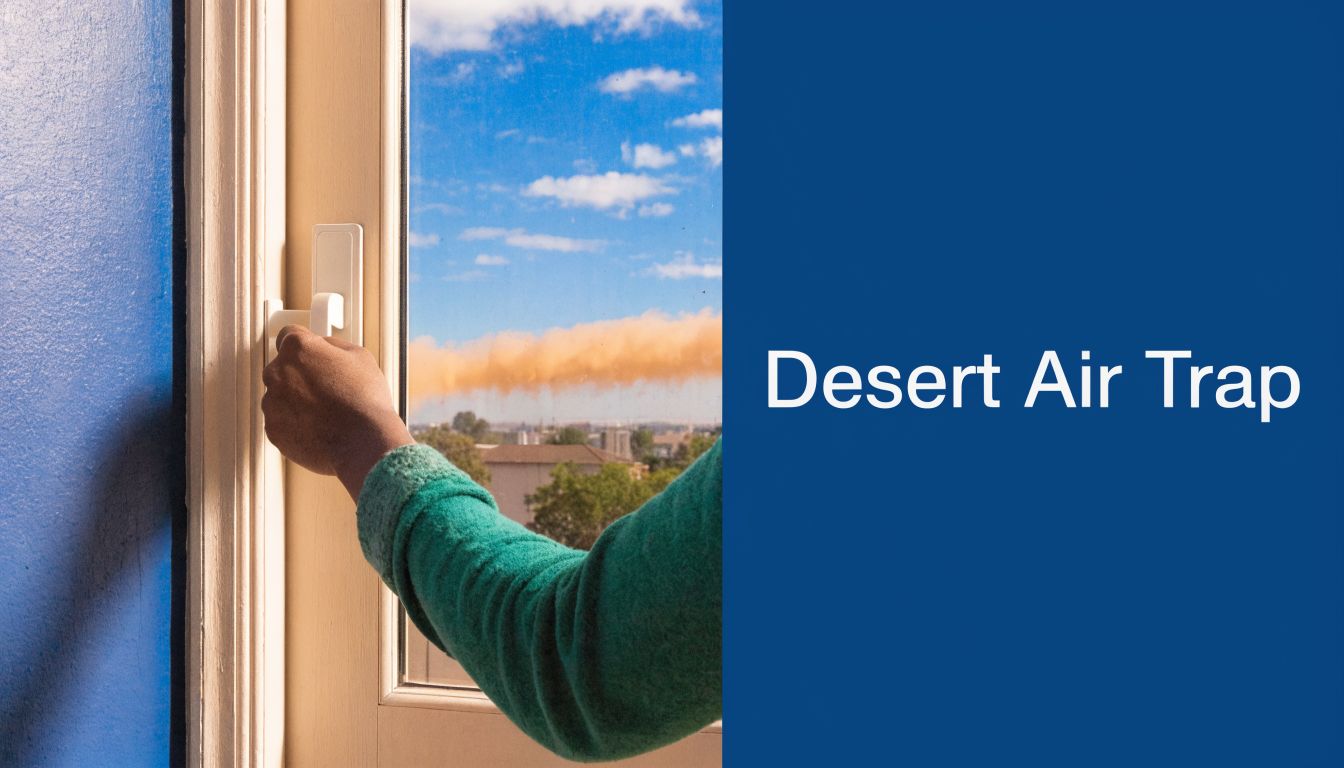
Why open-window advice fails in the desert
When outdoor conditions are good, a little fresh air can be fine. But our outdoor air isn't consistently clean. Spring brings pollen and dust. Summer brings ozone concerns and intense heat. Dust storms can push fine debris into every weak point in the house. Regional wildfire smoke can drift across the Valley and linger.
The EPA notes that in hot, arid areas like the Phoenix Valley, relying on natural or mechanical ventilation can import pollutants and worsen respiratory issues, and that prioritizing recirculation with enhanced filtration such as MERV 13+ is often more effective when outdoor air quality is poor, as explained in its guidance on improving indoor air quality.
This is one of the biggest misunderstandings we see in Arizona homes. People think they're flushing out bad air, but sometimes they're bringing the problem indoors.
What opening windows can bring inside
On a rough outdoor air day, opening windows can introduce:
- Dust and allergens: Especially during windy afternoons and storm activity.
- Smoke particles: From regional wildfire events.
- Outdoor chemical pollutants: Including roadway pollution from nearby traffic.
- Heat load: Which forces your cooling system to work harder while your indoor air gets worse.
That last part matters more than people think. The harder the AC has to run against unwanted heat gain, the more any weak spots in ducts, filters, or returns start to show themselves.
Controlled air beats random air
What works better here is a controlled indoor environment. That means sealing up obvious leaks, making sure return air is filtered properly, and recirculating indoor air through better filtration rather than gambling on whatever the outdoor air happens to be doing.
A sealed house with strong filtration usually beats a breezy house full of dust in the Phoenix area.
That doesn't mean ventilation never matters. It means ventilation has to be intentional. You don't want a system that blindly pulls in outdoor air at the worst possible moment. You want one that respects local conditions.
A surprising number of homeowners don't even know what filter they have, where it's located, or whether the system can handle an upgrade. If that's you, this quick guide on where your air filter is in your house can clear up the basics fast.
The real mindset shift
The right question isn't, "How do I get more outside air into the house?" The better question is, "How do I keep the air inside cleaner when the air outside is unreliable?"
That shift changes everything. It moves you away from guesswork and toward engineered indoor air quality solutions that fit desert living.
Your Guide to Whole-Home IAQ Solution Types
Most homeowners don't need every IAQ product on the market. They need the right combination for the issues they have. Dusty house, dry sinuses, pet odors, musty rooms, smoke sensitivity, allergy flare-ups. Those are different problems, and they call for different tools.
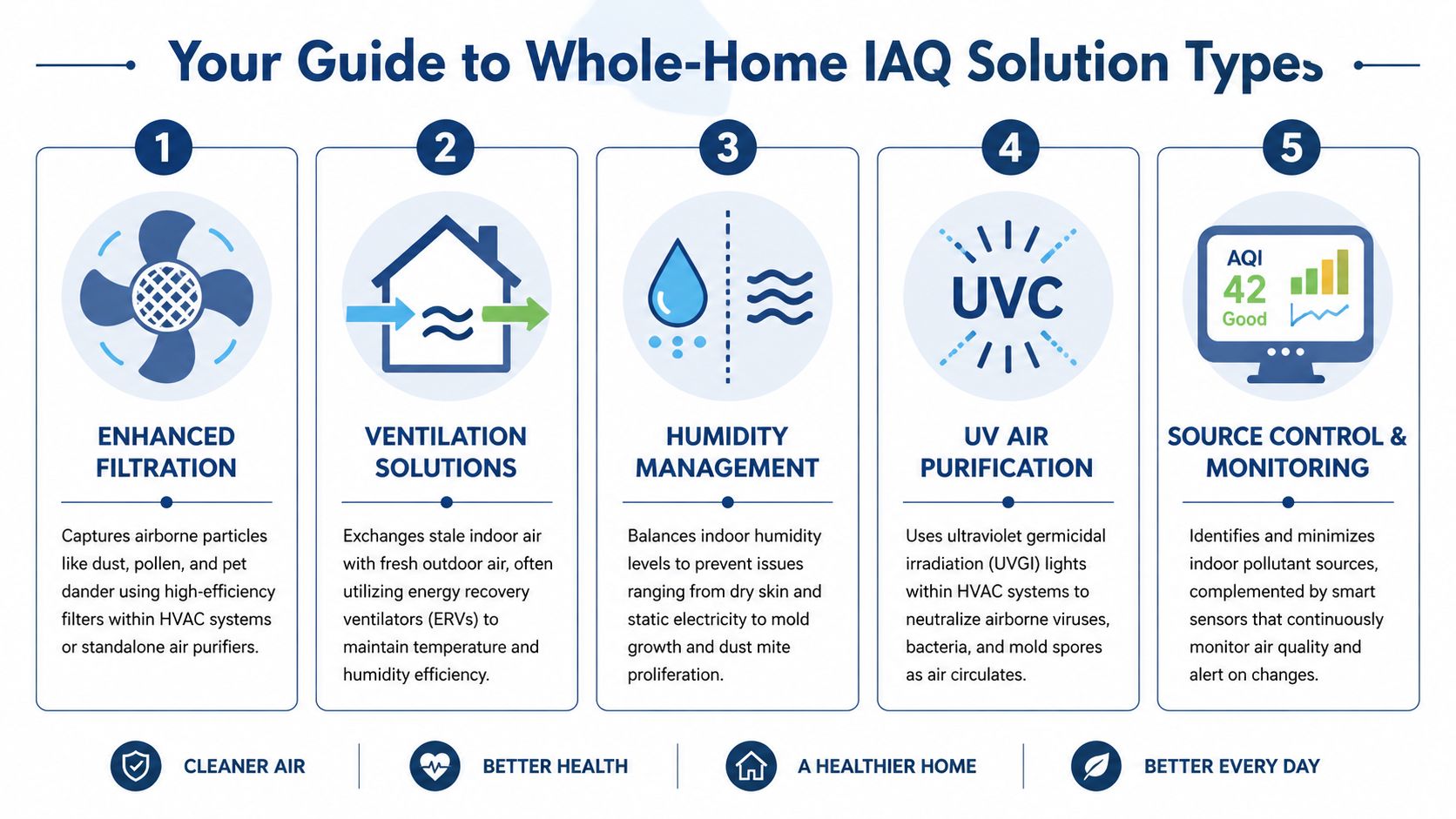
The main categories that matter
Some whole-home systems capture particles. Some neutralize biological contaminants. Some manage moisture. Others focus on stopping dirty air from entering the system in the first place.
If you've ever tried to sort out the difference between an air purifier and a dehumidifier, you already know how confusing these categories can get. One helps with airborne contaminants. The other helps with moisture balance. They solve different problems, and some homes need both.
Comparing Indoor Air Quality Solutions for Your Home
| Solution Type | Best For Tackling… | Typical Installed Cost | Key Benefit |
|---|---|---|---|
| Enhanced filtration | Dust, pollen, pet dander, airborne particles | $ to $$ | Improves whole-home particle capture through the HVAC system |
| HEPA or high-efficiency purification | Fine particle concerns, smoke sensitivity, allergy-heavy homes | $$ to $$$ | Targets smaller airborne particles more aggressively |
| UV lights and air scrubbers | Mold concerns, coil contamination, biological growth, lingering odors | $$ to $$$ | Adds active treatment beyond standard particle capture |
| Humidity control | Dry air, sinus irritation, static, seasonal moisture imbalance | $$ to $$$ | Keeps indoor moisture in a healthier comfort range |
| Duct cleaning and duct sealing | Dust recirculation, attic air intrusion, airflow loss | $$ to $$$ | Reduces contamination entering through compromised ducts |
| Smart monitoring and controls | Homes with uneven comfort or recurring IAQ complaints | $ to $$ | Helps track patterns instead of guessing |
Enhanced filtration
This is usually the first place to look. Better filtration helps catch the dust, pollen, pet dander, and airborne debris already moving through your HVAC system. In Phoenix homes, that matters because the system runs hard for much of the year and can move a lot of air, and a lot of junk with it.
A filter upgrade sounds simple, but it isn't always plug-and-play. Some systems can handle deeper or denser media filters. Others can't without affecting airflow. That's why a proper setup matters more than grabbing the highest-rated filter off a store shelf.
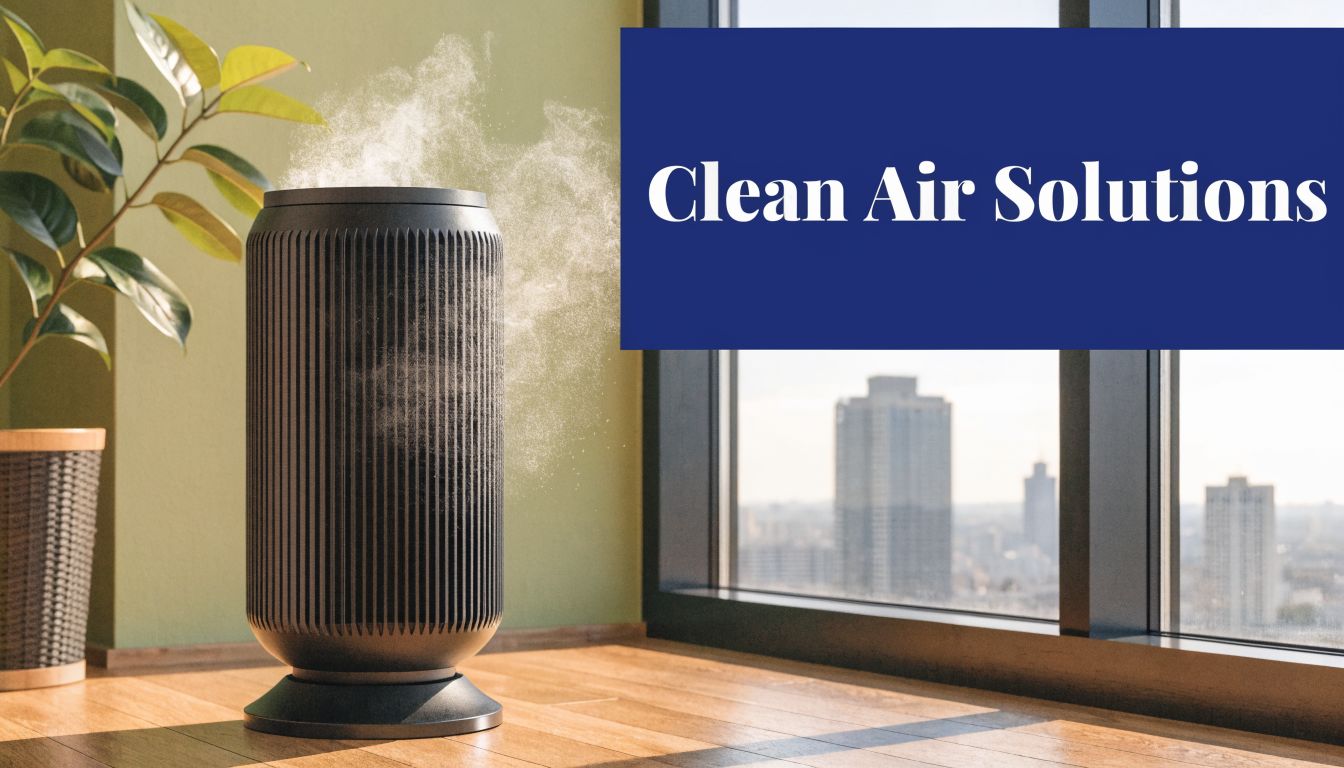
For homeowners exploring system-level options, whole-home air purifiers are often the next step after a basic filter upgrade.
Germicidal purification
Filtration captures. Purification treats. That's the easiest way to think about it.
UV lights usually target biological growth inside the system, especially near the evaporator coil where moisture can become part of the problem. Air scrubbers and similar add-on devices aim to treat contaminants moving through the airstream, and in some cases help with odors and surface-level pollutant reduction too.
Not every home needs this category first. But if you have recurring odor issues, mold concerns, or people in the home who are especially sensitive, this can be a strong layer to add.
Humidity management
Arizona gives homeowners two very different moisture problems. For long stretches, indoor air gets painfully dry. Then monsoon season can push some homes into that sticky, clammy feeling, especially if airflow is weak or the equipment isn't managing latent moisture well.
Whole-home humidifiers help during the dry months. Dehumidification can come from dedicated equipment or from a system designed to remove moisture more effectively. This category is often overlooked because many people think humidity isn't an Arizona issue. It is. It's just a different kind of issue than people in humid climates deal with.
Source control
This is the category homeowners skip the most, and it often causes the biggest problems. If your ducts are dirty, leaky, or pulling attic air into the system, better filters alone won't solve everything.
Source control includes:
- Duct cleaning: Removing built-up dust and debris already sitting in the duct network.
- Duct sealing: Closing leaks that let dusty, superheated, unfiltered air into the system.
- Material and product choices: Cutting back on harsh cleaners, scented products, and high-odor items indoors.
- Monitoring: Using sensors or controls to spot recurring patterns instead of chasing symptoms.
Field rule: If the house is dusty no matter how often you clean, don't just blame the filter. Check where the air is coming from.
Which category should come first
That depends on what you're noticing most.
- Mostly dust and allergies: Start with filtration and duct inspection.
- Odors or system-related biological concerns: Look at purification.
- Dry nose, static, throat irritation: Prioritize humidity control.
- Persistent dust despite filter changes: Focus on duct leakage and source control.
- Uneven symptoms that come and go: Monitoring can help identify patterns.
A good IAQ plan isn't about buying the fanciest accessory. It's about solving the right problem in the right order.
Deep Dive on Air Filtration and Purification
A lot of homeowners use the words filtration and purification like they mean the same thing. They don't. Both can improve indoor air, but they do different jobs.
Filtration catches what passes through
Think of filtration like a screen with increasingly finer mesh. As air moves through the HVAC system, the filter captures particles before they keep circulating through the house. That includes common irritants like dust, pollen, and pet dander.
MERV ratings are part of that conversation. In simple terms, a higher MERV filter is designed to catch smaller particles than a lower one. But there’s a practical limit. If you install a filter your system can't breathe through properly, you can create airflow problems. That's why filter selection should match the equipment, not just the label.
For homeowners comparing options for allergy relief, this guide on best HVAC filters for allergies does a good job breaking down what to watch for.
What makes HEPA different
A true HEPA filter meets a much stricter benchmark. HEPA filtration achieves 99.97% removal efficiency for airborne particles at 0.3-micron size, and integrating HEPA with HVAC can reduce airborne particulate concentrations by over 90% within 30 to 60 minutes, according to this review of top indoor air quality technologies.
That matters because fine particles are often the ones people feel most in allergy-heavy or smoke-sensitive homes. They may not be visible, but they can absolutely affect comfort.
Not every residential HVAC system is designed for full HEPA integration. Sometimes the right answer is a high-efficiency media filter. Sometimes it's a dedicated air cleaner. The best fit depends on the duct system, blower capacity, and what you're trying to solve.
Purification treats what filtration doesn't solve alone
Purification devices don't just catch particles. They target contaminants in a different way.
UV-C lights are typically installed inside the HVAC system, often near the coil. Their job is to help control microbial growth where moisture and darkness can create trouble. That's especially useful when a homeowner is dealing with musty smells from the system or biological buildup on internal components.
Air scrubbers and similar active devices go a step further by treating the moving airstream. These are often chosen when the goal isn't only dust capture, but also support for odors and broader air treatment.
Filtration is about capturing. Purification is about neutralizing. Many homes need both, but they shouldn't be confused.
If you're reading more broadly about solutions for indoor air quality problems, you'll notice the same pattern across very different climates. One tool removes particles. Another addresses microbes, odors, or chemical concerns. Layered protection works better than expecting one product to do everything.
What actually works in real homes
The strongest setups are usually straightforward:
- A properly matched filter upgrade for everyday particles
- A purification add-on when odors, coil growth, or biological concerns are part of the picture
- Regular maintenance so the system keeps moving air the way it was designed to
What doesn't work is treating IAQ like a gadget problem. A high-end purifier won't fix return leaks. A premium filter won't solve dry air. A UV light won't compensate for a neglected system full of dust bypass.
Good air quality comes from matching the tool to the problem.
Controlling Arizona’s Dryness and Monsoon Humidity
Arizona air can make your house feel like a desert preserve in one season and oddly sticky in another. Both conditions affect comfort, and both can affect indoor air quality.

Why dry air is a real IAQ issue
During long dry stretches, people often focus on comfort symptoms first. Dry throat. Static shocks. Irritated sinuses. Cracked skin. Bloody noses in some cases. But dryness also affects how the home feels overall. Air can seem harsher, dustier, and less comfortable even when the temperature looks fine on the thermostat.
Experts recommend maintaining 30% to 60% relative humidity, and note that humidity above 60% fosters mold and bacteria while humidity below 30% can cause mucosal drying and increase infection risk, according to TSI's indoor air quality handbook.
That range is a sweet spot. Too low, and your body feels it. Too high, and the house starts supporting the wrong kind of growth.
What helps during the dry months
A whole-home humidifier connected to the HVAC system is usually the cleanest way to deal with desert dryness. It adds controlled moisture as air moves through the system, instead of trying to patch the issue room by room with small portable units.
Portable humidifiers can help in a bedroom, but they usually add maintenance. Tanks need cleaning, output is limited, and coverage is uneven. Whole-home equipment is better when the problem affects the entire house.
In Phoenix-area homes, dry air isn't just a comfort complaint. It can be an airflow and health comfort issue that keeps showing up until humidity is managed intentionally.
Monsoon season changes the equation
Then monsoon season arrives and the complaint flips. The house feels heavy. Some rooms feel muggy. Supply vents may sweat in certain conditions. Closets, bathrooms, or low-airflow spaces can start smelling off.
In those months, the fix isn't more moisture. It's controlled removal of excess moisture. Some systems handle this through stronger dehumidification performance. Other homes benefit from dedicated whole-home dehumidification, especially if the house tends to stay damp indoors during summer storms.
Signs your humidity is off
- Too dry: static, sinus irritation, dry eyes, scratchy throat, wood shrinking or creaking
- Too humid: musty smells, clammy rooms, condensation, that sticky indoor feeling even with the AC on
Good indoor air quality solutions in Arizona have to account for both sides of that equation. If you only think about filtration and ignore moisture, you're leaving out one of the biggest comfort and health levers in the house.
Is Duct Cleaning and Aeroseal Really Worth It
Some homeowners get skeptical, and fair enough. Duct services have been oversold by plenty of companies. But when they're genuinely needed and done correctly, they can make a real difference.
Duct cleaning and duct sealing are not the same job
Duct cleaning removes loose dust, debris, and buildup from the duct system. That can help when the ducts are visibly contaminated, after remodeling, or when years of dust accumulation are clearly contributing to what keeps blowing through the home.
Aeroseal duct sealing is different. It seals leaks from inside the duct system. That's a bigger deal than many homeowners realize in Phoenix-area homes because leaky ducts often run through hot, dusty spaces like attics.
If your return side is leaking, the system can pull in dirty attic air. If the supply side is leaking, conditioned air escapes where it does you no good. Either way, the house loses.
The leaky straw problem
The easiest way to picture it is a straw full of holes. You can still drink through it, but not well. Air ducts work the same way. The blower is trying to move air cleanly and efficiently, but leaks let outside contaminants in and conditioned air out.
That means:
- More dust in the living space
- Poorer airflow to certain rooms
- More strain on the system
- Less benefit from upgraded filters or purifiers
A homeowner can spend good money on filtration and still feel disappointed if the duct network is compromised. The air has to stay in the path you intended.
Why people are spending more on IAQ upgrades
Consumer demand has shifted toward better home air quality. The U.S. indoor air quality solutions market was valued at $10.2 billion in 2023, and 40% of consumers are willing to invest more than $200 in home air purification systems, according to BCC Research's coverage of indoor air quality market growth.
That doesn't mean every house needs every upgrade. It does show that more homeowners are deciding cleaner indoor air is worth investing in when the problem is real.
When duct work is worth the money
Duct cleaning and Aeroseal are worth a serious look when:
- Dust keeps returning fast even after filter changes
- Rooms have uneven airflow
- The home has been remodeled
- You suspect attic air is getting into the system
- The system never seems to deliver the comfort or cleanliness it should
If you want a homeowner-focused breakdown before deciding, these Aeroseal duct sealing reviews are helpful for understanding what the process is meant to solve.
Duct upgrades don't just clean the system. They protect the rest of your IAQ investment from being undermined by hidden leaks.
Your Action Plan for Cleaner Air
A lot of homeowners don't need more information. They need a starting point. If your house feels off, match the symptom to the likely fix and work from there.
Start with what you're noticing most
- If you're always dusting and still sneezing: Start with upgraded filtration and have the duct system checked for leaks or bypass.
- If the house smells stale or musty: Look at purification options such as UV or air scrubber add-ons, especially if the HVAC system itself may be contributing.
- If your nose, throat, or skin always feel dry indoors: A whole-home humidifier should be on your list.
- If the house feels clammy during monsoon season: Ask about dehumidification performance, not just cooling capacity.
- If one or two rooms are always worse: Don't assume it's just that room. Airflow balance, returns, and duct condition may be the underlying issue.
- If opening windows seems to make things worse: Trust that observation. In the Valley, outdoor air can absolutely be the problem.
Keep the plan practical
Start with basics that affect the whole home:
- Check the filter setup
- Inspect duct condition and leakage
- Address humidity
- Add purification only where it solves a real problem
- Use monitoring if symptoms are inconsistent or hard to pin down
Cleaner air usually comes from a few smart changes working together, not one miracle product.
A professional assessment helps because it separates what feels like an air quality problem from what is a duct, airflow, humidity, or filtration problem.
If you want a clear, no-pressure plan designed for your Mesa or Phoenix home, call Comfort Experts at 480-207-1239 or schedule service online.