If your AC is limping through another Phoenix summer, you’re probably asking the same question most homeowners ask: what does affordable air conditioning installation mean when the heat won’t let up? The short answer is this. Affordable doesn’t mean buying the cheapest box and hoping for the best. It means getting a system that cools your house properly, fits your budget, and doesn’t punish you on every utility bill after it’s installed.
The Real Cost of a New Air Conditioner in Phoenix
A Phoenix homeowner gets a quote for a new AC at a price that looks almost too good to pass up. Then the job starts. The old pad is undersized, the drain line does not meet code, the return duct is leaking, and the electrical whip needs to be replaced. That low number climbs fast, or worse, those items never get addressed and the system costs more to own from day one.
That is why one sticker price never tells the full story. A new AC in Phoenix is not just equipment. It is equipment, installation quality, code items, setup, and the parts of the house that affect how that system performs through a long desert summer.
A useful starting point is the common installed range many homeowners see for central AC replacement. In Phoenix, a straightforward changeout can land near the lower end. A job with airflow problems, duct repairs, access issues, or electrical updates can move well past it. Cheap bids usually leave something out. Sometimes that means obvious add-ons later. Sometimes it means hidden long-term costs on utility bills, comfort complaints, and early repairs.
What that baseline range means in practice
System tier matters, but so does what comes with the install. A basic single-stage unit with minimal extras costs less up front. A higher-efficiency or variable-speed system usually costs more up front, but in the right house it can reduce operating cost and improve comfort. In Phoenix, that trade-off is worth looking at carefully because cooling season is long and mistakes show up fast.
Here is a practical pricing framework homeowners can use when reviewing bids:
| System Tier | Typical SEER2 Range | Estimated Total Installed Cost |
|---|---|---|
| Entry-level central AC | 13.4 to 15.2 SEER2 | Often lands near the lower end of the local installed range for a basic, straightforward replacement |
| Mid-range high-efficiency central AC | 15.2 to 17 SEER2 | Common for homeowners who want a balance of upfront cost, better efficiency, and stronger comfort control |
| Premium variable-speed system | 18+ SEER2 | Usually prices above standard averages, especially if the job includes communicating controls, duct updates, or other house-side corrections |
Those are typical examples, not flat promises. Brand, tonnage, indoor equipment matchups, warranty terms, and job complexity all affect the final number.
I have seen plenty of low bids that covered little more than swapping the outdoor box and indoor coil. The homeowner thought they were saving money. Two summers later, they were paying for hot rooms, noisy airflow, high bills, and repairs that should have been prevented during installation.
Practical rule: If one quote is much lower than the others, ask what was left out. The answer usually explains the price gap.
Where your money goes
A fair installation quote should break out the major cost buckets clearly:
- Equipment: Outdoor condenser, indoor coil or air handler, refrigerant components, and matched system controls
- Labor: Removal of the old system, installation, brazing, evacuation, charging, startup, and testing
- Permits and inspection items: The paperwork and code-related items needed to complete the job properly
- House-related corrections: Duct repairs, return upgrades, drain changes, pad replacement, electrical work, crane or attic access, and code updates
That last category is where many “affordable” installs go sideways. The low quote wins because those corrections are ignored, pushed into change orders, or never mentioned. The homeowner gets a cheaper install on paper and a more expensive system to live with.
Why national averages only go so far
National pricing helps with orientation, but Phoenix is hard on HVAC equipment. Systems run longer here. Bad airflow shows up quickly. Poor sizing gets expensive. A unit that looks affordable at purchase can become the costly option if it short cycles, struggles to cool the far bedrooms, or runs up the electric bill every summer.
That is why local context matters more than a generic average. If you want a Phoenix-specific breakdown of what affects pricing, this guide to AC replacement cost in Phoenix will give you a better benchmark before you compare proposals.
A good quote explains the equipment, the labor, the house-related work, and the setup steps that protect performance. If it does not, the price is only part of the story.
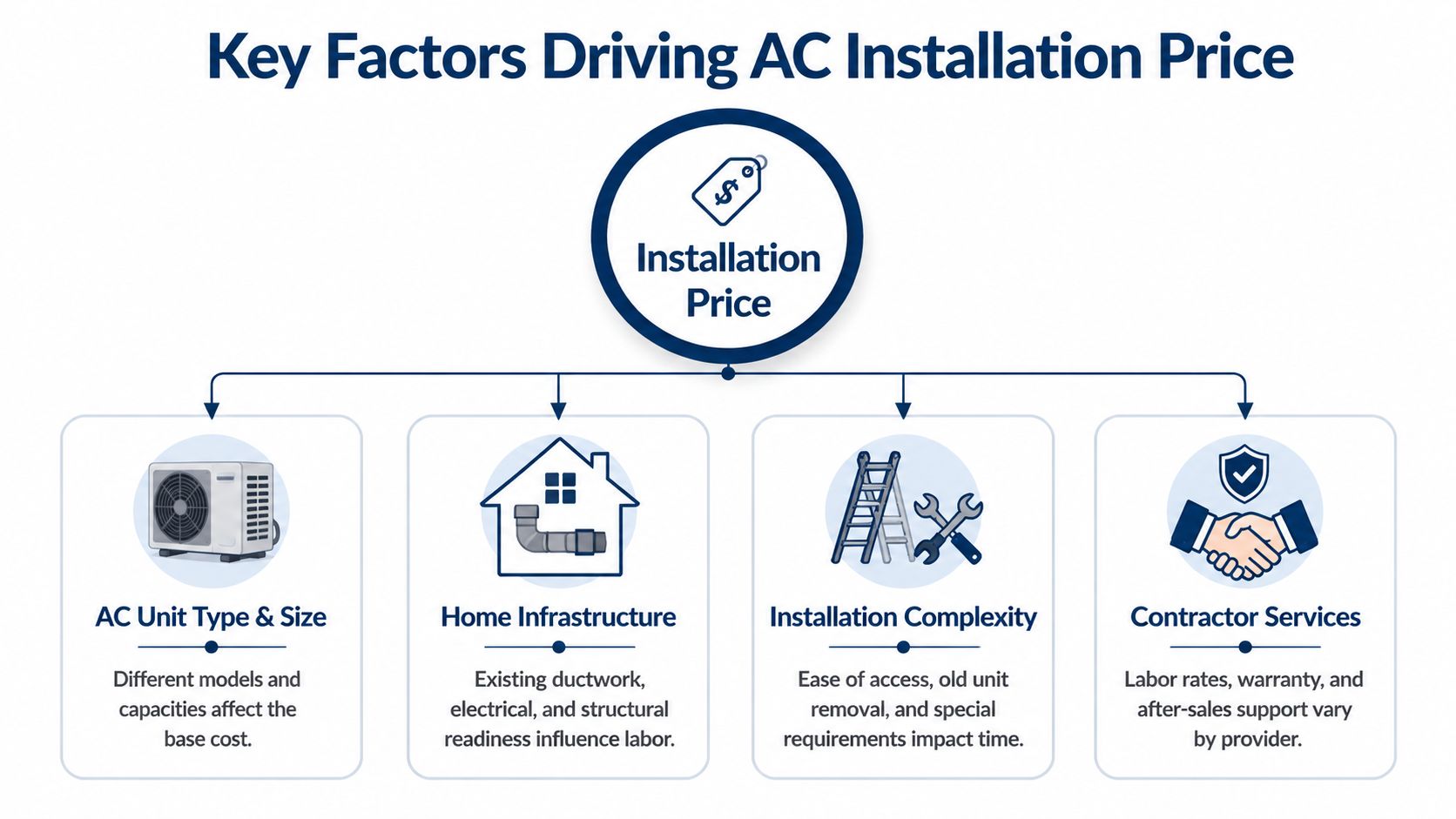
Key Factors That Drive Your Final Installation Price
One neighbor gets one quote. Another gets a number that’s much higher. Same subdivision, same rough square footage, completely different price. That’s normal in HVAC, because the final cost depends on the equipment and the house together.
Unit type and efficiency
The first driver is the equipment itself. Basic single-stage systems cost less upfront than higher-efficiency or variable-speed equipment. That part is easy to understand. What’s less obvious is how much the wrong choice can affect comfort in Phoenix.
Higher-efficiency equipment isn’t automatically the right answer for every house. The right answer depends on how long you plan to stay in the home, how much cooling you use, how your duct system performs, and whether you care more about lowest first cost or lower operating cost over time.
A cheap unit can still be expensive to own if it runs hard, cycles poorly, or never really matches the house.
Sizing and load calculation
This is the part too many homeowners never get shown. Proper AC sizing using an ACCA Manual J load calculation is critical. An oversized unit can short cycle, causing humidity problems and efficiency losses up to 30%, while an undersized unit can fail to cool the home during 110°F-plus Phoenix days, according to Oregon Heating’s discussion of Manual J sizing and Phoenix heat conditions.
That’s why square-footage guessing isn’t good enough.
A contractor who sizes your system from the old nameplate or a rough rule of thumb is asking you to spend thousands on a shortcut.
A real load calculation looks at more than the home’s size. It considers insulation, windows, orientation, shade, air leakage, and internal heat loads. In Phoenix, solar gain through glass matters a lot. So does attic heat. So does whether the house has hot rooms every afternoon.
If you’re trying to make sense of tonnage and home size, this article on what size air conditioner you need helps explain the basics in plain language.
Ductwork and home infrastructure
You can install a great condenser onto a weak duct system and still end up with a disappointing result. That happens more often than homeowners think.
Ductwork affects:
- Air delivery: Rooms can stay warm even if the equipment is technically working.
- Efficiency: Leaks, restrictions, and bad design force the system to work harder.
- Noise and comfort: Poor airflow often shows up as hot spots, cold blasts, or longer runtimes.
Then there’s the rest of the house infrastructure. Electrical capacity, drain routing, access to the attic, condenser placement, and old equipment removal all influence labor. A fast swap in an easy location doesn’t cost the same as a complicated install in a tight attic with multiple code updates.
Permits, inspections, and contractor support
Permits aren’t glamorous, but they matter. They help ensure the installation follows code, and they reduce the odds of hidden issues being ignored just to keep the quote attractive on paper.
Contractor support also changes what you’re paying for. One company may include proper startup, airflow verification, warranty registration, and post-installation follow-up. Another may not. That difference won’t always show up in the headline price, but it usually shows up later in reliability and support.
Here’s a practical way to evaluate the moving parts:
| Cost Driver | Why It Matters |
|---|---|
| Equipment type | Affects upfront price, comfort features, and operating cost |
| Load calculation | Determines whether the system is properly matched to the house |
| Duct and electrical condition | Can add labor and correction work |
| Permits and contractor process | Reduces the risk of code issues and sloppy installation |
People often focus on the brand name alone. In practice, the install quality carries enormous weight. A decent system installed well usually beats a premium system installed poorly.
Smart Strategies for an Affordable AC Installation
There are smart ways to lower cost without gambling on quality. That’s the sweet spot. You want a system that fits the house, keeps the bills sane, and doesn’t leave you regretting the purchase every July.

Focus on total ownership, not just install day
A lot of “budget” shopping goes wrong because homeowners compare only the front-end number. That misses the true cost of ownership. A system that’s slightly more expensive to install can still be the better value if it cools more effectively and avoids avoidable service issues.
That doesn’t mean everyone needs top-shelf equipment. It means the right system should be judged by all-in value, not just the first invoice.
The best affordable install is usually the one that solves the problem once, instead of introducing a new one every summer.
Use rebates and tax incentives carefully
Some high-efficiency options can qualify for meaningful incentives. The verified data notes that rebates like federal tax credits up to $2,000 can improve payback on qualifying systems in the right setup, as discussed in the same Phoenix-focused sizing source already cited earlier. What matters is verifying eligibility before you sign, not after.
Rebate paperwork also changes. Programs update, amounts shift, and qualification rules can be strict. Homeowners get into trouble when a sales pitch treats a possible rebate like guaranteed cash.
A practical approach is to ask the contractor for:
- Model-specific eligibility details: Not every system qualifies.
- A written estimate before incentives and after incentives: You need both.
- A list of homeowner steps: Some rebates require documentation, registration, or timing.
Consider mini-splits where they actually make sense
Ductless systems aren’t the answer for every whole-home replacement, but they can be a strong value in additions, remodels, converted garages, detached offices, and problem rooms. Verified data shows that ductless mini-split installations can cut upfront costs by 30% to 50% compared to extending ductwork in those situations, while also reducing energy use through zoned cooling, according to this review of affordable mini-split installation strategies.
That matters in Phoenix because not every comfort problem needs a full central-system overhaul. Sometimes the affordable move is to stop trying to force one ducted system to do a job it was never designed to do.
Reduce the cooling load before replacing equipment
One of the most overlooked ways to control AC cost is to reduce how much heat the house takes on in the first place. If your west-facing rooms turn into ovens every afternoon, your AC is fighting the building envelope, not just the weather.
For homeowners comparing options for heat rejection for Phoenix homes, it’s worth looking at improvements like solar screens or window tinting alongside HVAC decisions. Lower heat gain can improve comfort and help the cooling system do its job with less strain.
Add controls that help the system perform better
Controls won’t fix bad sizing or bad ductwork, but they can help a well-installed system operate more efficiently and more predictably. Smart thermostats are one example. If you’re weighing that upgrade, this overview of the benefits of a smart thermostat can help you decide whether it fits your house and habits.
A few practical saving moves stand out:
- Match the fix to the problem: A hot addition may need a mini-split, not a full duct extension.
- Ask for options, not one quote: Good contractors should be able to show a sensible better-best path.
- Verify incentives in writing: Don’t build your budget around a rebate you haven’t confirmed.
- Address heat gain: Window exposure and insulation issues can change what “enough AC” really means.
Affordable is possible. Cheap and smart are not always the same thing.
The Hidden Dangers of a Too-Good-To-Be-True Price
You know what? The cheapest AC quote in Phoenix is often the most expensive mistake.
That sounds harsh, but homeowners usually find out the hard way. The installer disappears. The unit never cools evenly. The power bill stings. Or the financing looked easy until the math showed up.

Cheap equipment and DIY mistakes
Verified data warns that a budget unit or DIY install can create 20% to 30% energy waste, and many so-called affordable financing deals carry 18% to 25% APRs that can turn a $5,000 installation into $8,500 over five years, based on the analysis cited in this video source about affordable AC install traps.
That’s the kind of number that changes a buying decision.
The trouble with ultra-cheap installs usually falls into a few buckets:
- Poor commissioning: Refrigerant charge, airflow, and setup never get dialed in correctly.
- Skipped permitting or code work: The job looks cheaper because something important was omitted.
- Low-end equipment choices: The upfront savings disappear if the system struggles or breaks down early.
- DIY assumptions: HVAC is not a plug-and-play appliance when refrigerant, airflow, and electrical work are involved.
Financing can hide the real price
Monthly payment marketing can make a bad deal feel manageable. Homeowners hear “low monthly payment” and stop asking about the total repayment cost.
That’s where people get trapped. A job that looked affordable at the kitchen table becomes a much larger obligation by the time interest is done with it.
Watch for this: If the conversation centers on monthly payment first and system details second, slow down and read everything.
A contractor doesn’t have to be dishonest for financing to still be expensive. But a homeowner does need to know whether the deal is helping cash flow or inflating the project total.
The Phoenix factor makes bad installs hurt more
In milder climates, some mistakes stay hidden longer. In Phoenix, weak installs get exposed fast. A bad match between the home and the equipment doesn’t just create inconvenience. It creates stress during the hottest part of the year, when your system has to be dependable.
A suspiciously cheap quote should make you ask direct questions:
| Red Flag | Why It’s Risky |
|---|---|
| No load calculation | The system may be oversized or undersized |
| Vague financing terms | You may be agreeing to a far more expensive project |
| No permit discussion | The quote may be skipping required work |
| Very low bid with no scope detail | Important labor or correction items may be missing |
The best defense is simple. Don’t compare quotes by total alone. Compare scope, sizing method, warranty terms, included labor, and financing details. A fair price is not the same thing as a cheap price.
Your Buyer's Checklist for Vetting Phoenix HVAC Contractors
A bad contractor can make a decent unit perform like a cheap one. In Phoenix, that mistake usually shows up fast. High bills, uneven cooling, nuisance breakdowns, and warranty headaches often trace back to the install, not just the equipment.
Good crews are in demand across the Valley. That means homeowners need to slow down and vet the company, especially when one bid comes in far below the rest. A low price can be real. It can also mean cut corners, weak scope, or a crew that disappears once the check clears.
Check license, insurance, and local standing
Start with the paperwork. In Arizona, verify the contractor’s license yourself and confirm they carry insurance. If a salesperson gets vague, changes the subject, or says that stuff will come later, treat that as a warning sign.
Ask for:
- Arizona license information: Verify it independently, not just from a truck wrap or business card.
- Proof of insurance: Liability and workers’ compensation should be current.
- Local track record: Look for a stable Phoenix-area presence, not just a phone number and a website.
If you’re comparing several companies, this guide on choosing the best HVAC company near me can help you sort serious contractors from fast-talking sales operations.
Ask questions that expose the install process
Price matters. Install method matters more.
Ask how they size the system, what labor is included, whether they inspect ductwork and airflow, and who handles permit coordination, startup, and warranty registration. Those answers tell you a lot about how the company works after the contract is signed.
A solid contractor should be able to explain the job in plain English. If the answer is slippery, rushed, or full of sales talk, keep looking.
Read reviews for patterns, not star counts
A five-star average by itself does not tell you much. Read the comments and look for specifics.
Useful reviews mention whether the crew showed up on time, protected the home, explained the work, fixed issues without excuses, and responded after installation. That last part matters. The cheapest bid often looks less affordable once a homeowner has to chase someone for warranty help or service calls.
Good marketing gets attention. Good follow-through keeps your house cool in July.
Compare proposals line by line
Do not compare bids by the bottom number alone. Put each proposal side by side and look for what is included.
One quote may include permit handling, thermostat work, drain modifications, startup testing, and cleanup. Another may list a model number and little else. That is how homeowners end up accepting a “cheap” install that grows more expensive once the add-ons and corrections start showing up.
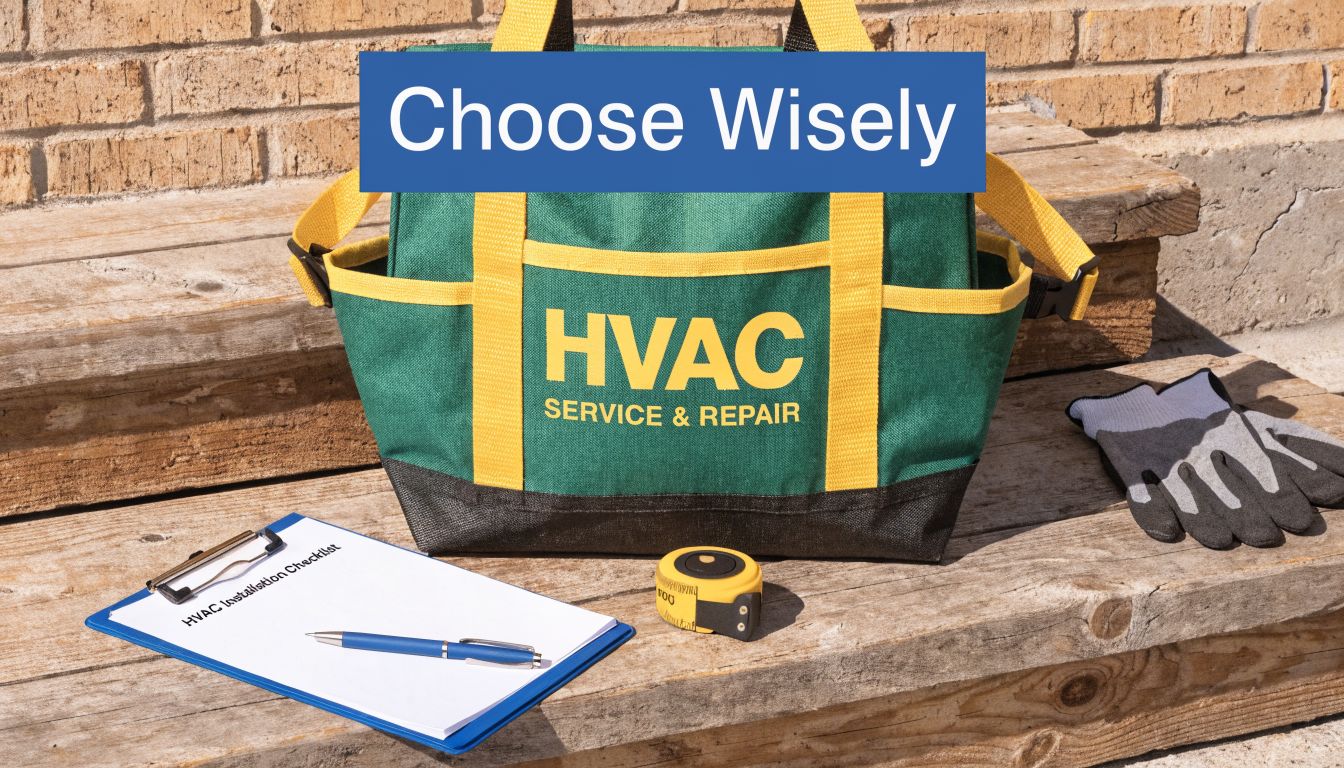
Use this checklist:
| Checklist Item | What You Want to See |
|---|---|
| License and insurance | Verified and current |
| System sizing method | Load-based sizing, such as Manual J or an equivalent method |
| Written scope | Clear equipment, labor, permit, and accessory details |
| Warranty support | Explained in writing |
| Local reputation | Specific, credible homeowner feedback |
The right contractor is the one who gives a clear scope, answers hard questions, and stands behind the work after the install. In Phoenix, that usually saves more money than the lowest bid ever does.
Why Phoenix Homeowners Trust Comfort Experts for AC Installation
Phoenix homeowners don’t need a slick pitch. They need a contractor who understands what desert cooling demands and who installs systems with the long view in mind.
Comfort Experts has served the Phoenix Valley since 2011, and that local experience matters when you’re dealing with extreme summer load, older duct systems, and homes that don’t all behave the same way. The company is licensed and insured, ROC #275914, and approaches installation the way careful HVAC work should be approached. That means proper evaluation, honest diagnostics, and system recommendations based on the house rather than a one-size-fits-all sales script.
That approach lines up with what homeowners should want after reading everything above. Real affordable value comes from correct sizing, transparent pricing, and installation quality that prevents problems instead of creating them. Comfort Experts performs detailed load-based evaluations, installs reliable equipment suited for desert conditions, and pays attention to the details that shape long-term comfort.
The company is also a Trane partner, which matters for homeowners who want equipment with a strong reputation for reliability in punishing heat. Brand alone never guarantees results, but pairing proven equipment with disciplined installation practices gives homeowners a far better shot at getting the performance they paid for.
For anyone comparing local providers, the details on why homeowners choose Comfort Experts show how the company handles licensing, customer service, and support after the sale.
The biggest reason homeowners trust a company like this is simple. They don’t want to buy the same lesson twice. They want the system installed correctly, explained clearly, and supported when they need help.
Frequently Asked Questions About AC Installation
A few questions come up on almost every replacement conversation in Mesa and across the Valley. Here are direct answers.
| Question | Answer |
|---|---|
| How long does AC installation usually take? | Many standard replacements can be completed in a day, but the timeline depends on access, duct condition, electrical needs, and whether code updates are required. A more complex job can take longer. |
| Is the cheapest quote usually the best value? | Usually not. A low quote can leave out permits, duct corrections, startup procedures, or proper sizing work. The better value is the quote that clearly covers the full job. |
| Do I really need a load calculation? | Yes. In Phoenix, guessing can create serious comfort and efficiency problems. Proper sizing helps prevent short cycling, poor cooling on extreme days, and unnecessary operating cost. |
| Are mini-splits a good budget option? | They can be. They’re especially useful for additions, remodels, converted spaces, or rooms that central ductwork doesn’t handle well. They aren’t automatically the best fit for every whole-home project. |
| Should I finance an AC installation? | Financing can be useful, but only if you understand the total repayment cost, interest rate, and terms. Read the agreement carefully and compare it against the full cash price. |
| What should be included in a written quote? | You should see the equipment being installed, labor scope, permit handling, and any notable correction work or accessories. If the quote is vague, ask for more detail before signing. |
| How long should a new system last in Phoenix? | Lifespan depends on equipment quality, installation quality, maintenance, and how hard the system has to work. The desert is demanding, so proper installation and upkeep matter more here than many homeowners realize. |
If you want an honest quote from a local team that understands Phoenix heat and doesn’t play games with sizing or pricing, contact Comfort Experts by calling 480-207-1239 or use the online form to schedule service.